ICE SLEDGE
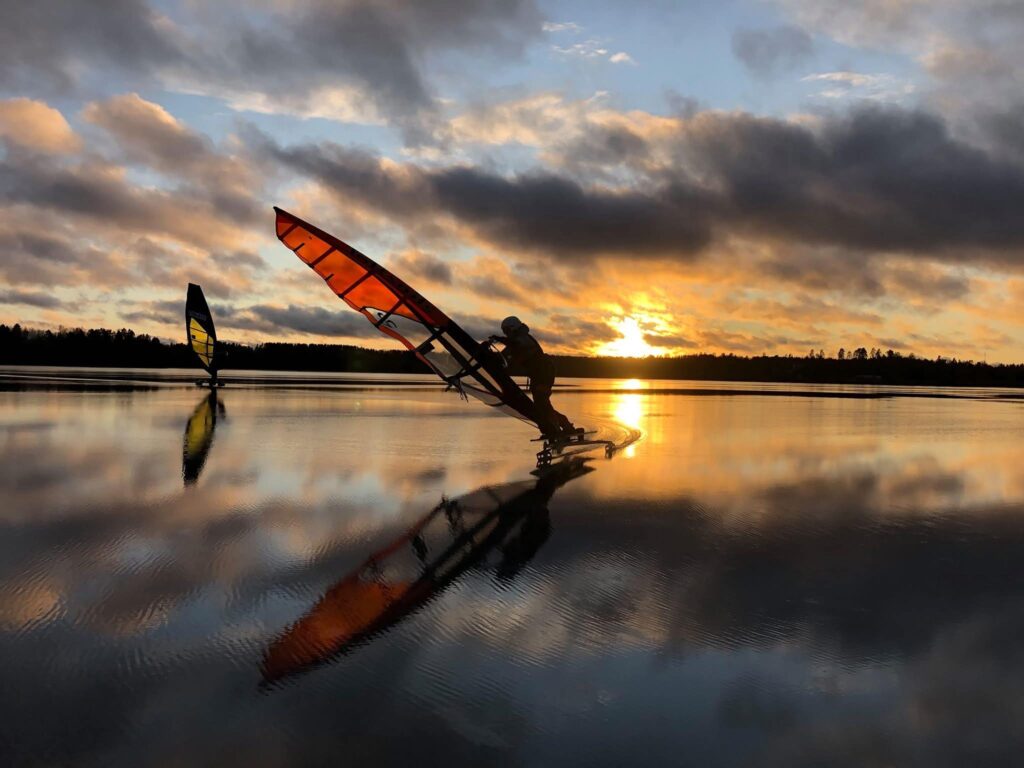
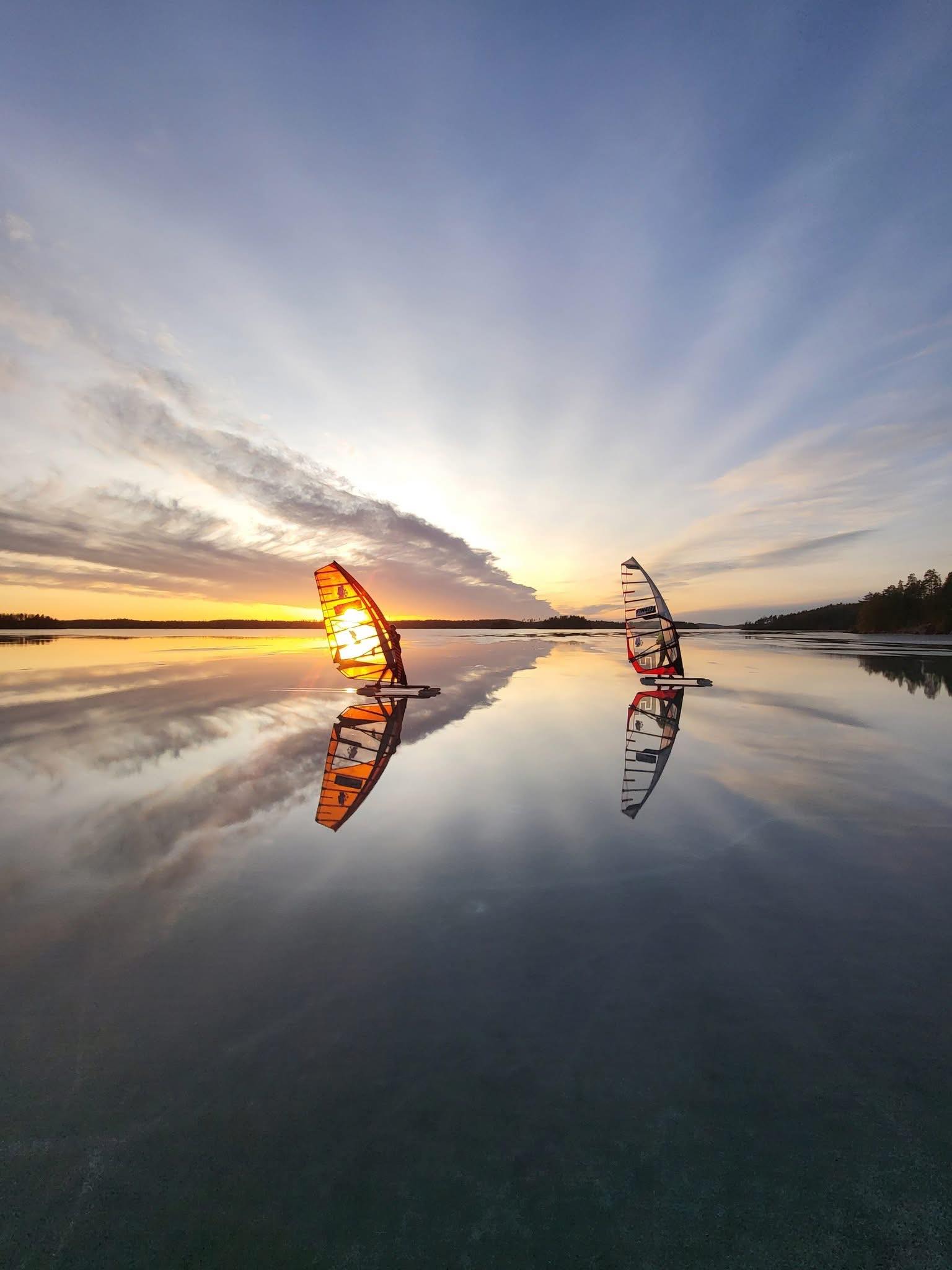
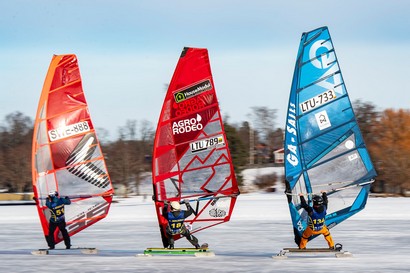
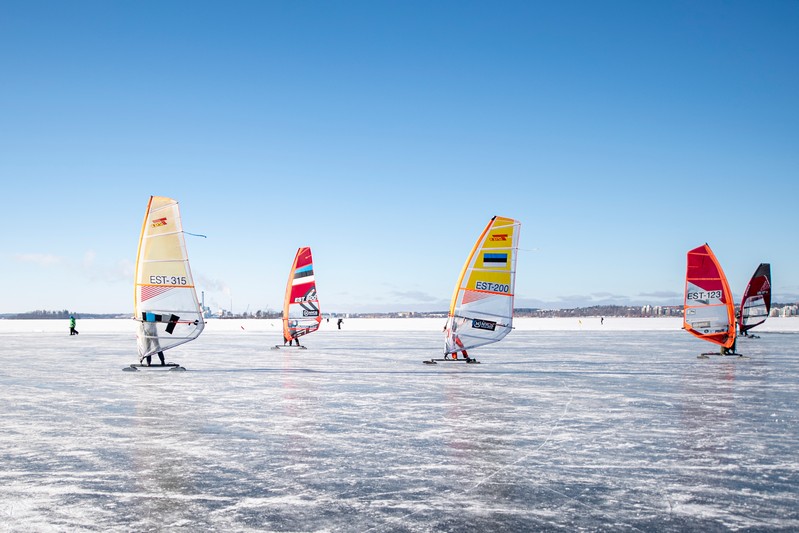
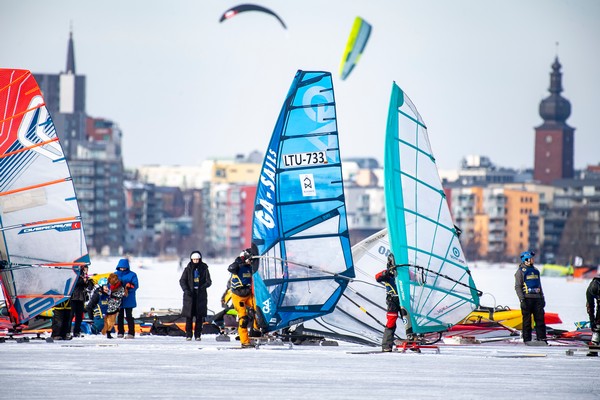
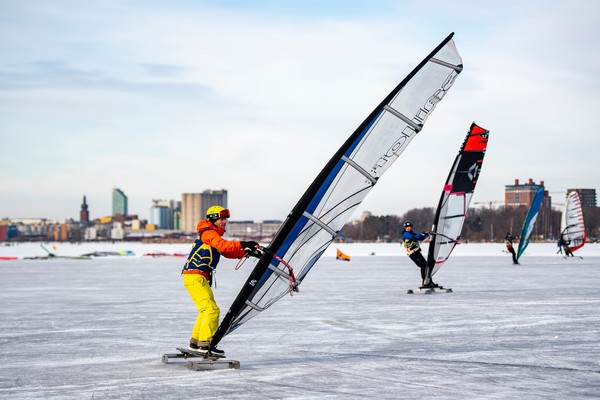
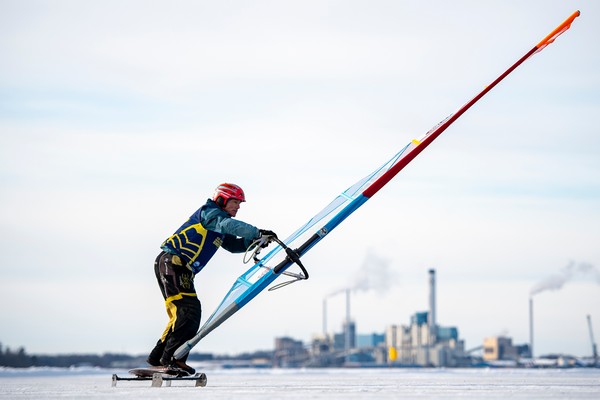
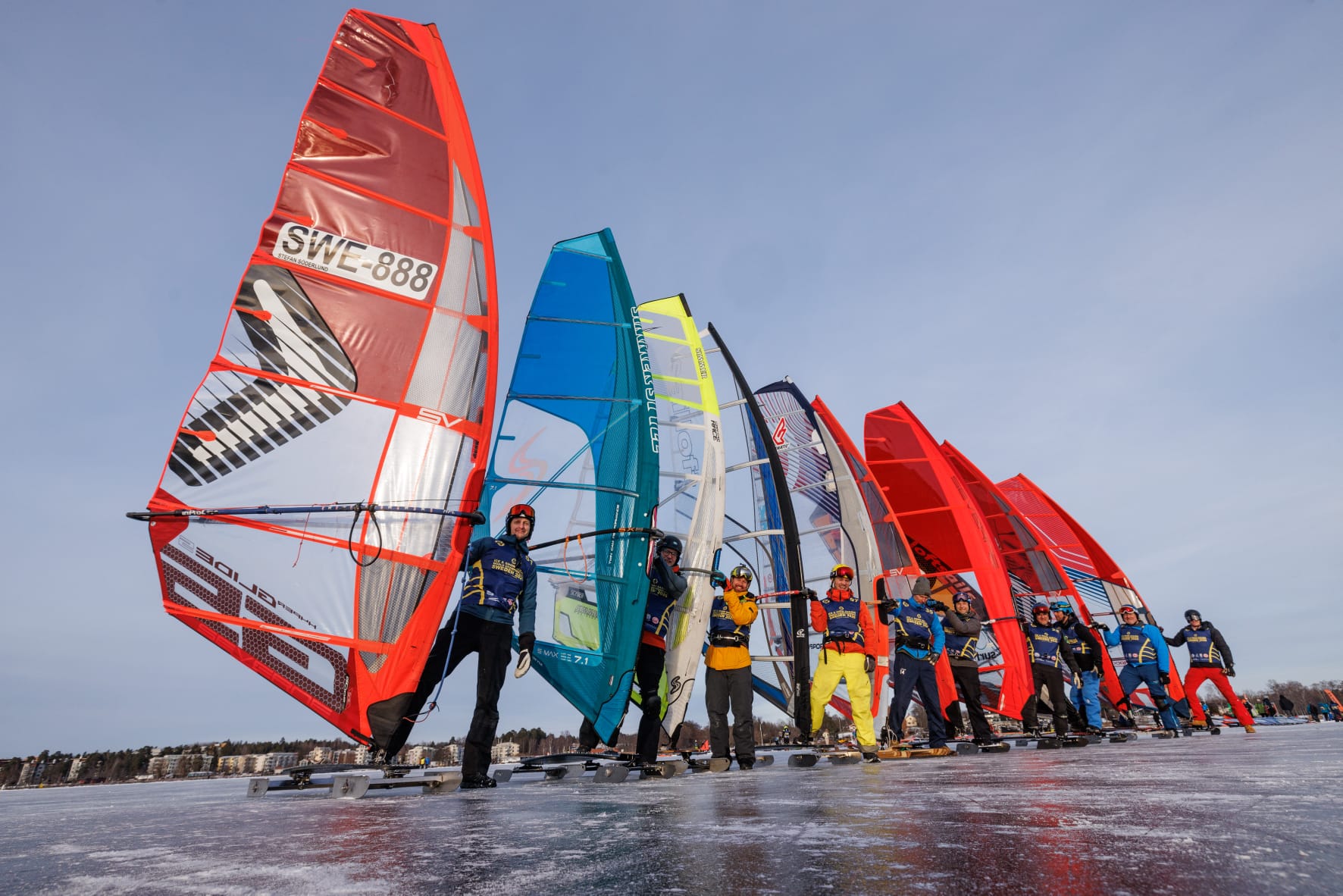
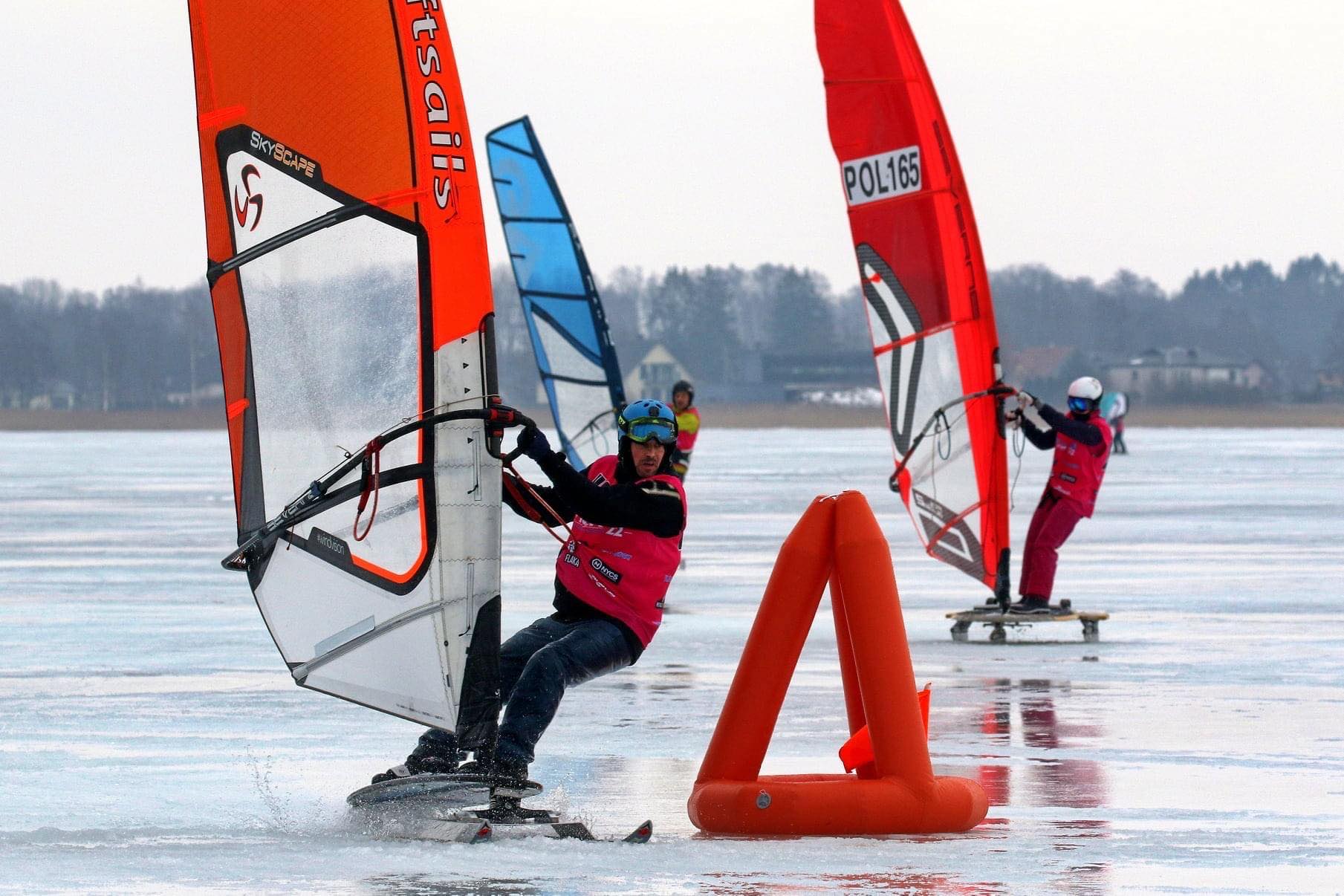
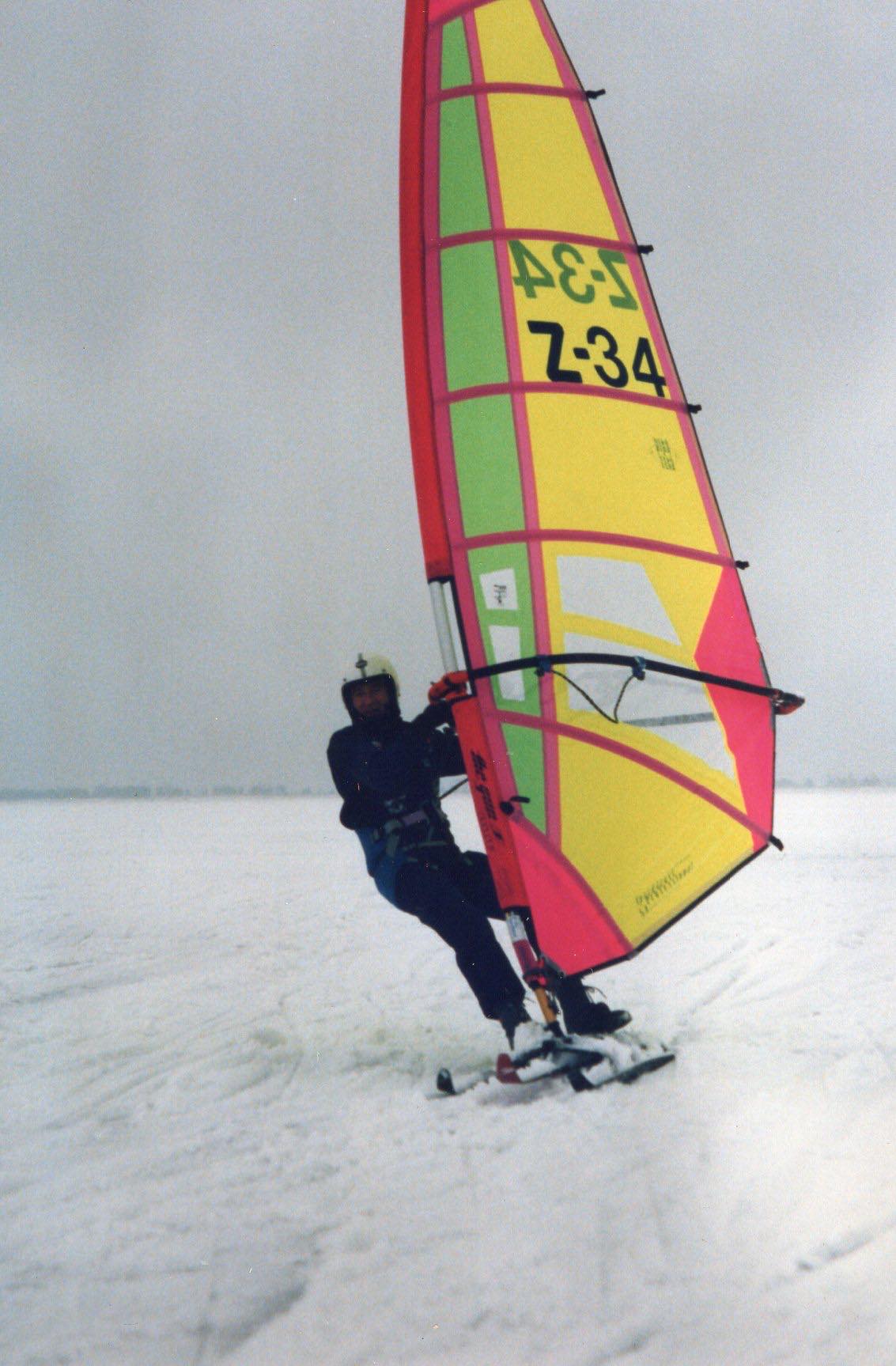
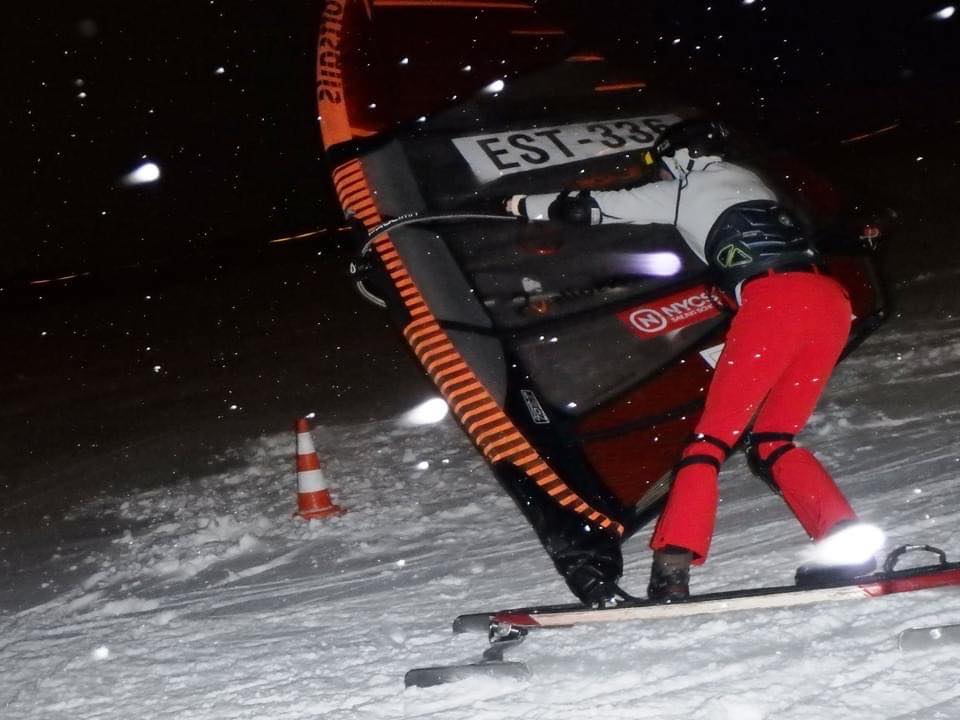
Ice Sledge is a specific winter discipline that combines wind, ice and speed, and has long fascinated us with both its technical and racing side. In Sailing Team, we want to gradually focus more on this category and we are looking for new riders and enthusiasts who would like to take part in its development. Ice Sledge is a very popular discipline especially in Estonia and Finland, where it has a strong community and a long racing tradition.
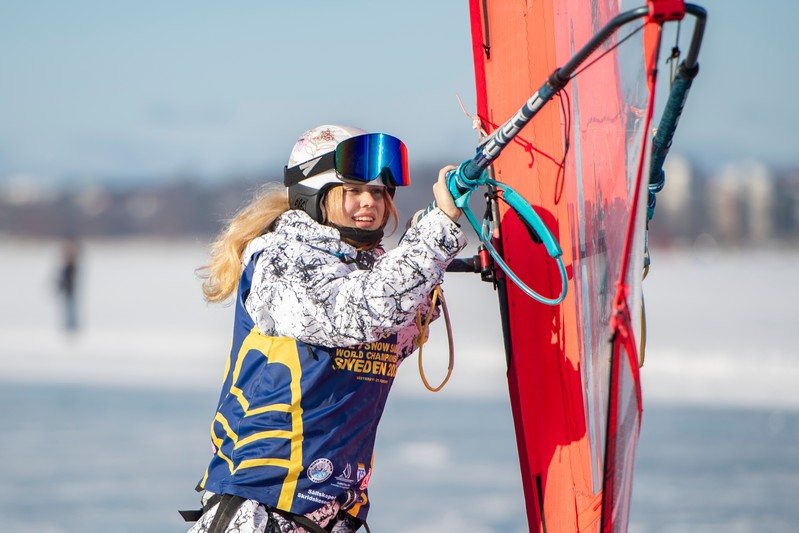
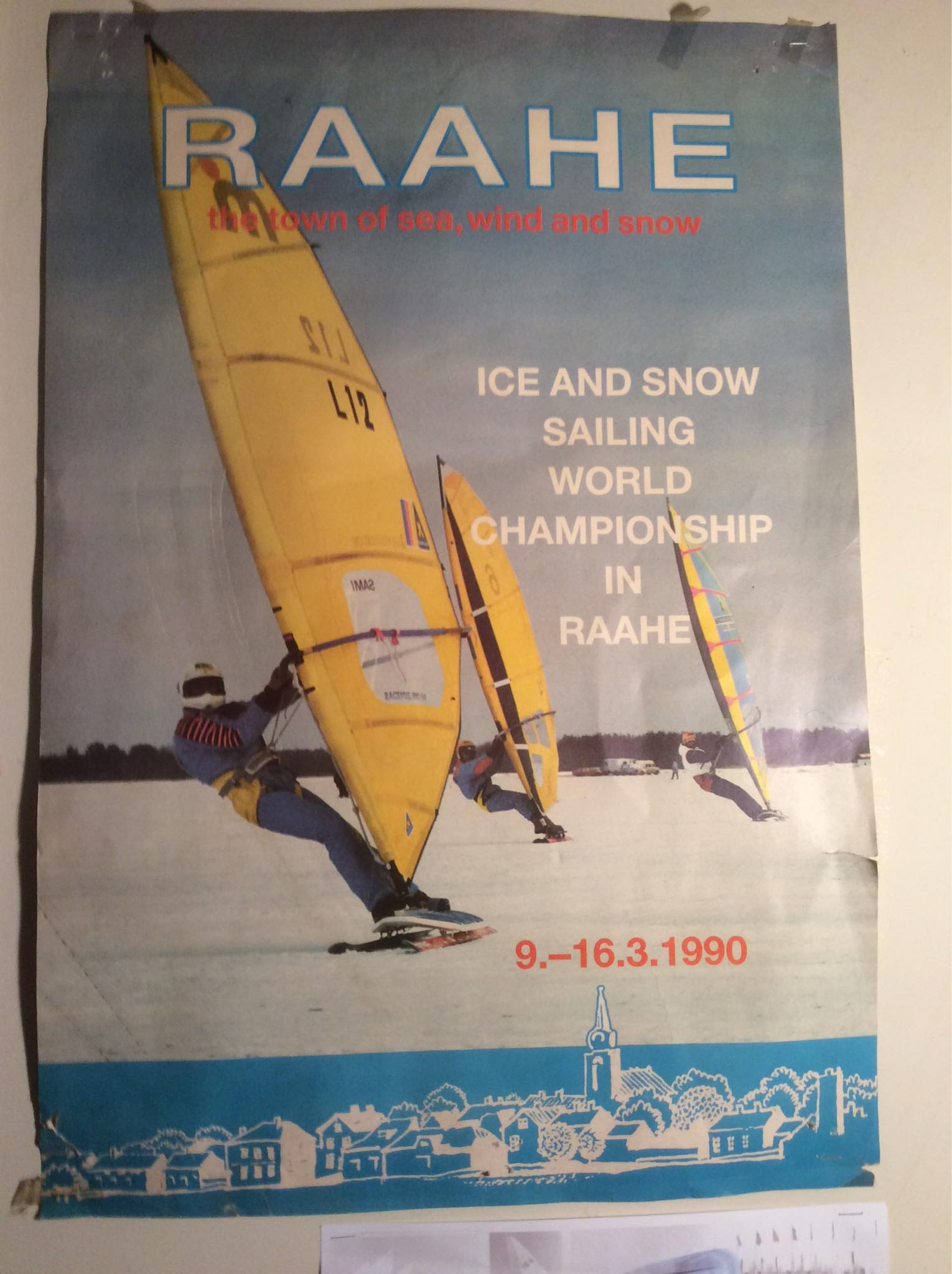
This discipline is also one of the main categories at the WISSA World Championships, which we regularly take part in within the kite and wing disciplines. Thanks to our experience from international races and contacts in the foreign community, we want to gradually build a background for ice sledge as well and open this unique discipline to other team members.
Historical insight into Ice Sledge
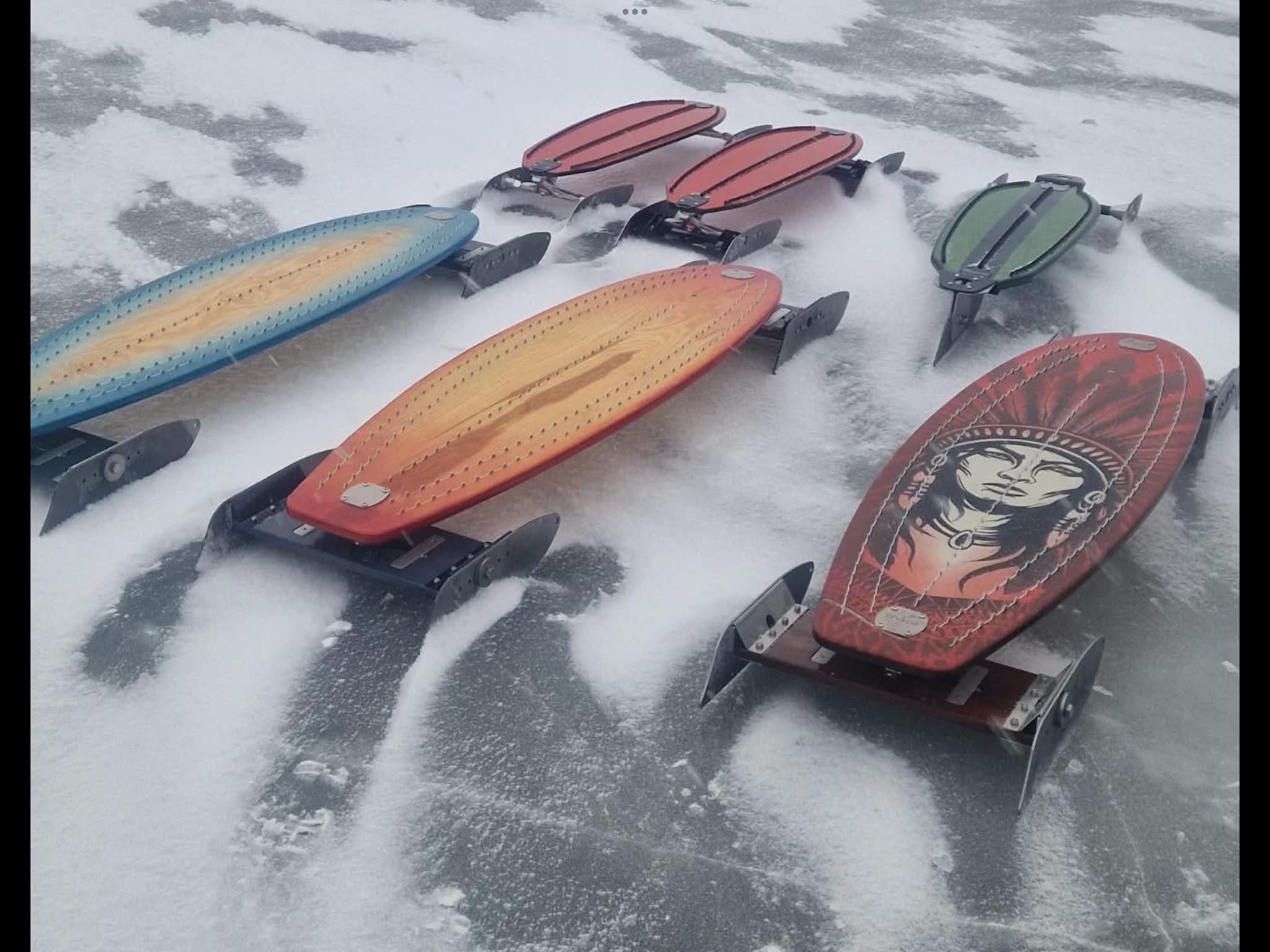
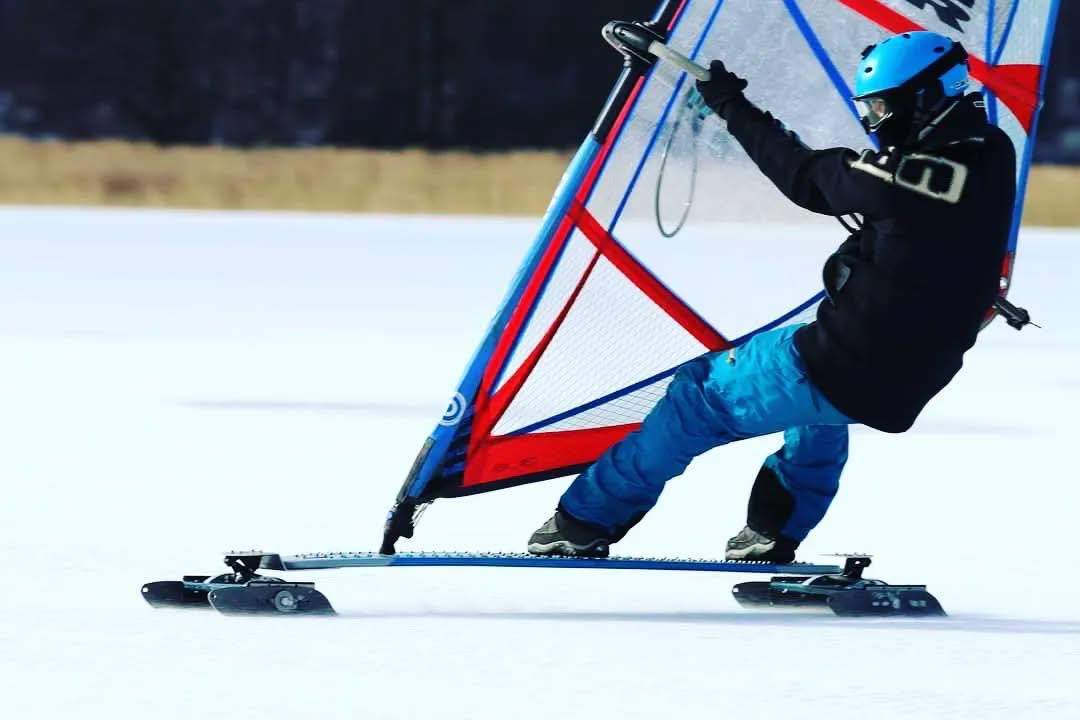
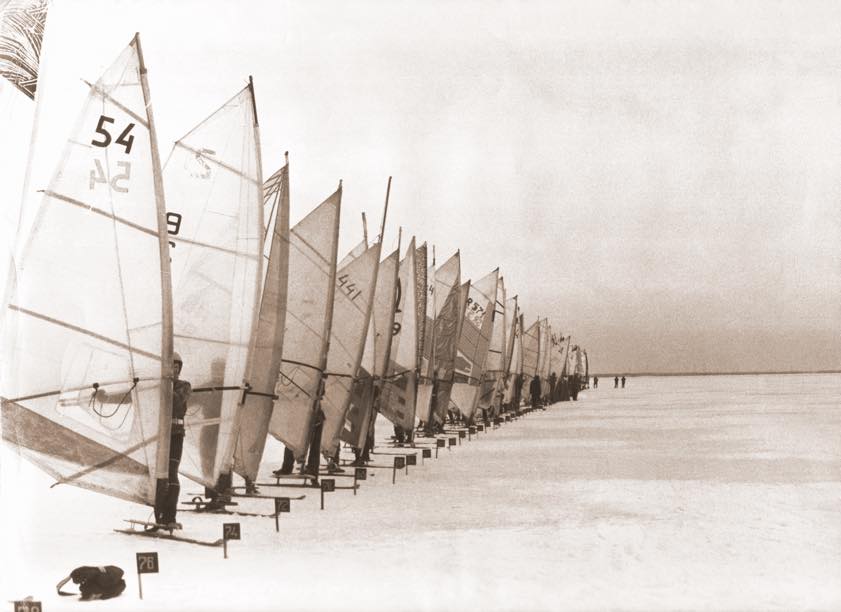
Ice Sledge, wind-powered ice sledges, follows a long tradition of “ice vessels” in Northern Europe, especially in the Netherlands and Sweden. Already in the 19th century, various forms of low sledges and carts with skates appeared on frozen canals and lakes, using wind power through sails. Gradually, these constructions became simpler and lower, which led to the creation of ice sledge – a very low and stable vehicle where the rider stands just above the ice. In the 20th century, this discipline began to become more organized and, especially in Nordic countries, local races were held on frozen lakes, where the main focus was speed, riding technique and the ability to work with the wind.
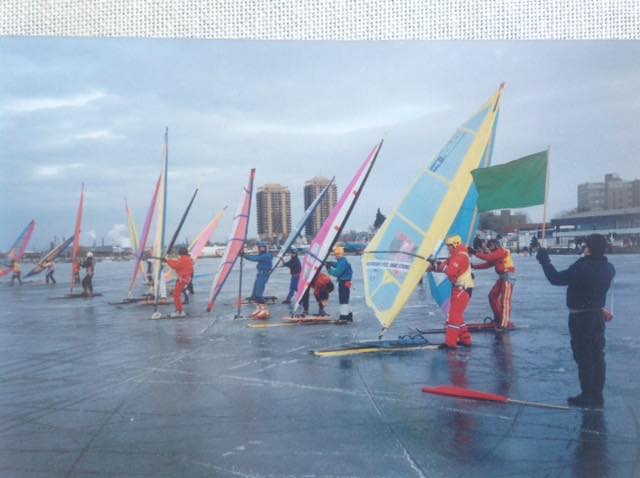
Today, Ice Sledge is a highly specialized but technically advanced discipline with an emphasis on racing and community events. The most important role is played by regional meetings and informal championships on natural ice, where constructions, speed limits and riding skills are tested. The sport keeps a strong connection to the tradition of ice yachting, but differs through its minimalist construction and more direct contact between the rider and the surface. Although it is not a mass discipline, its importance lies in the continuity of historical forms of sports connected with wind and ice and in the community of enthusiasts who keep the racing and experimental character of this sport alive to this day. Over the last several decades, races in this discipline have been organized under the leadership of WISSA, which holds an annual world championship in this discipline.