WING
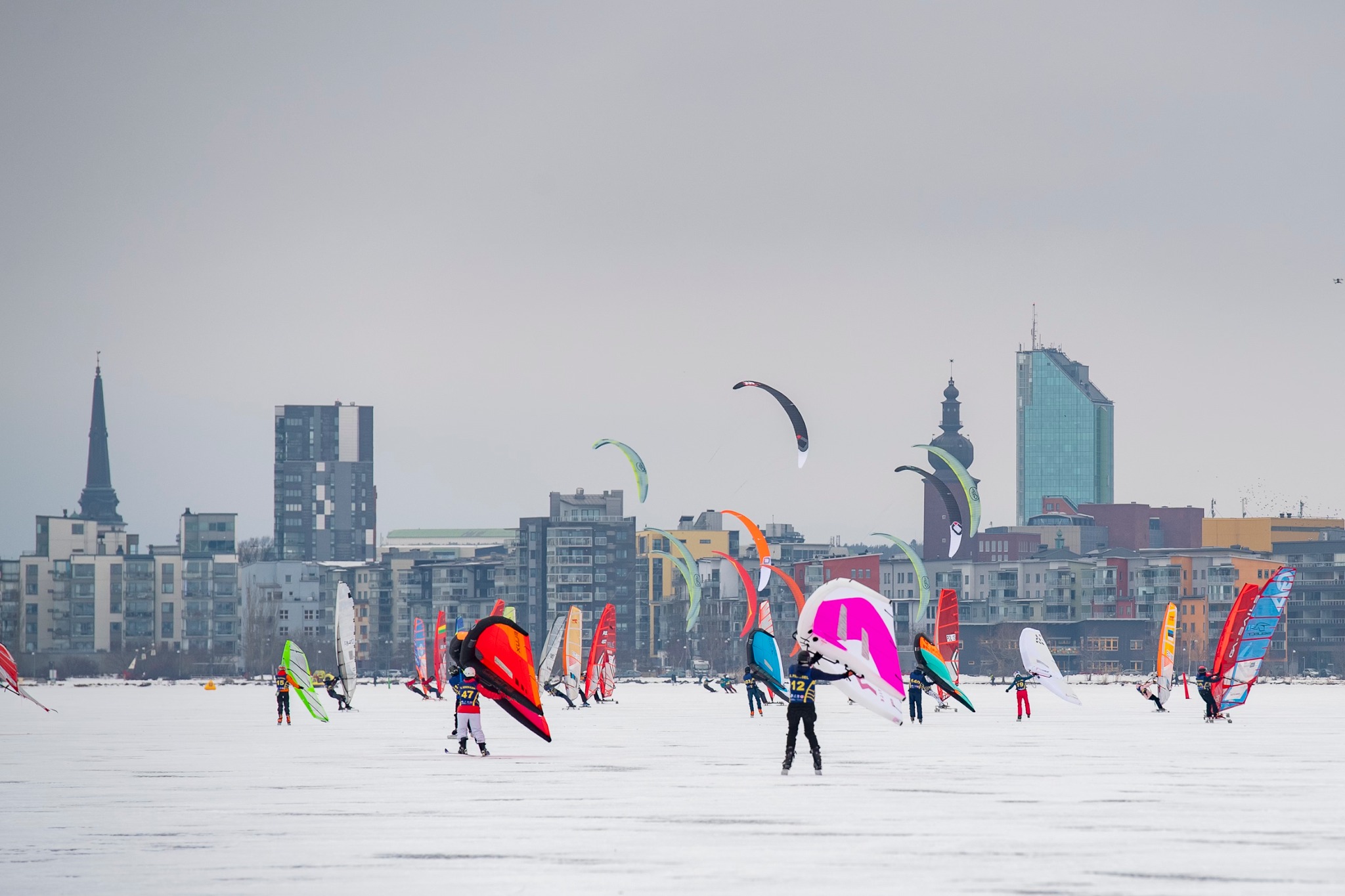
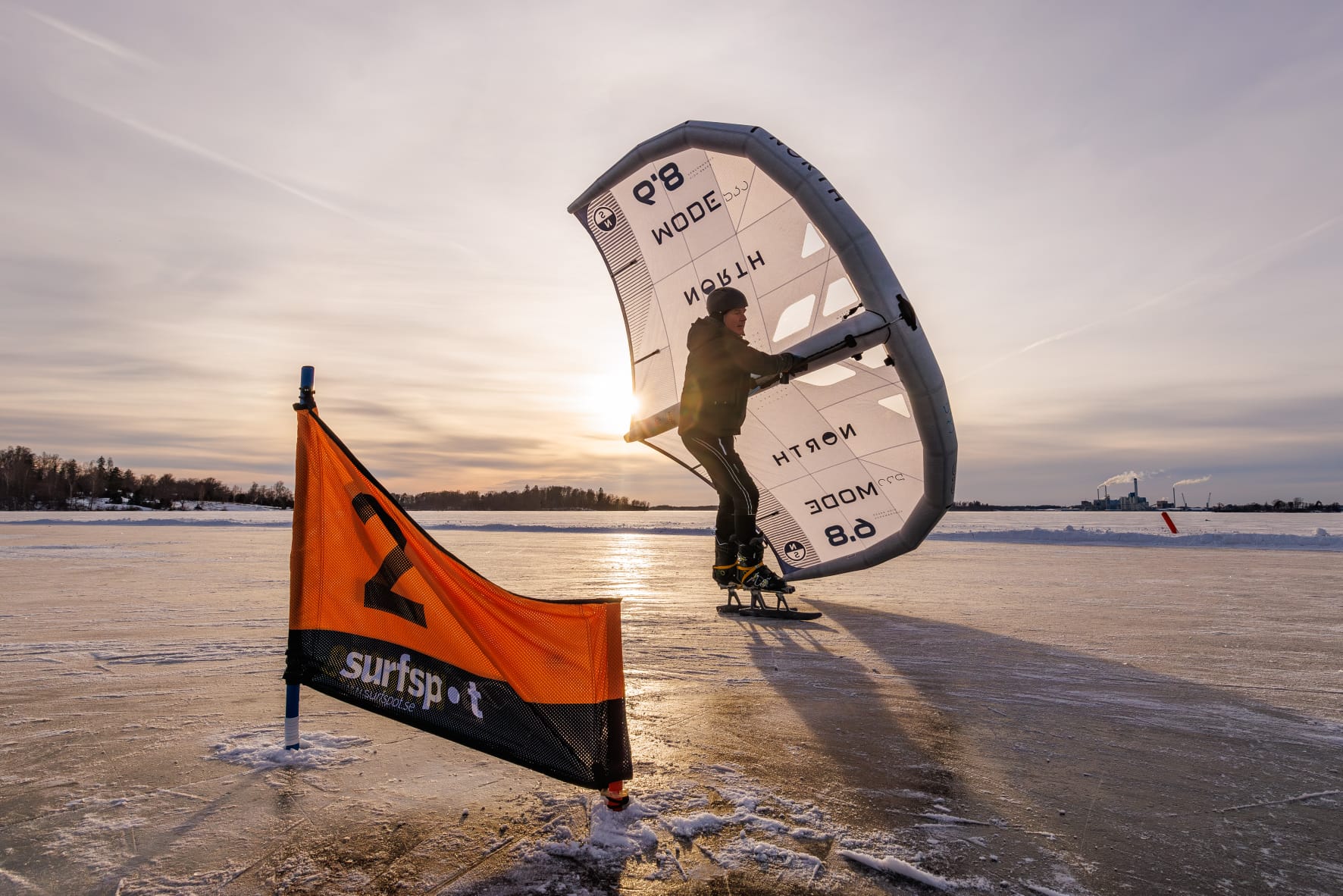
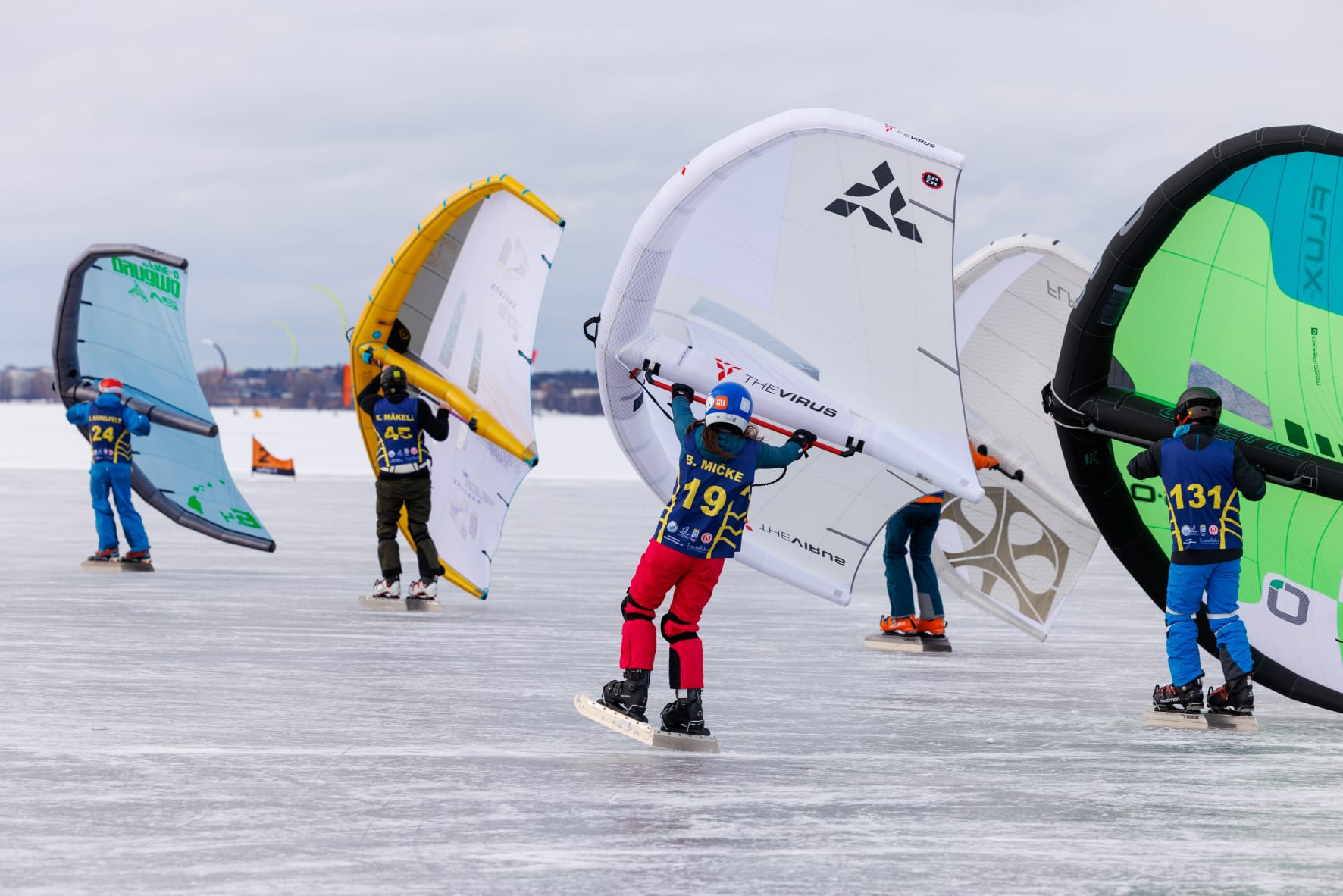
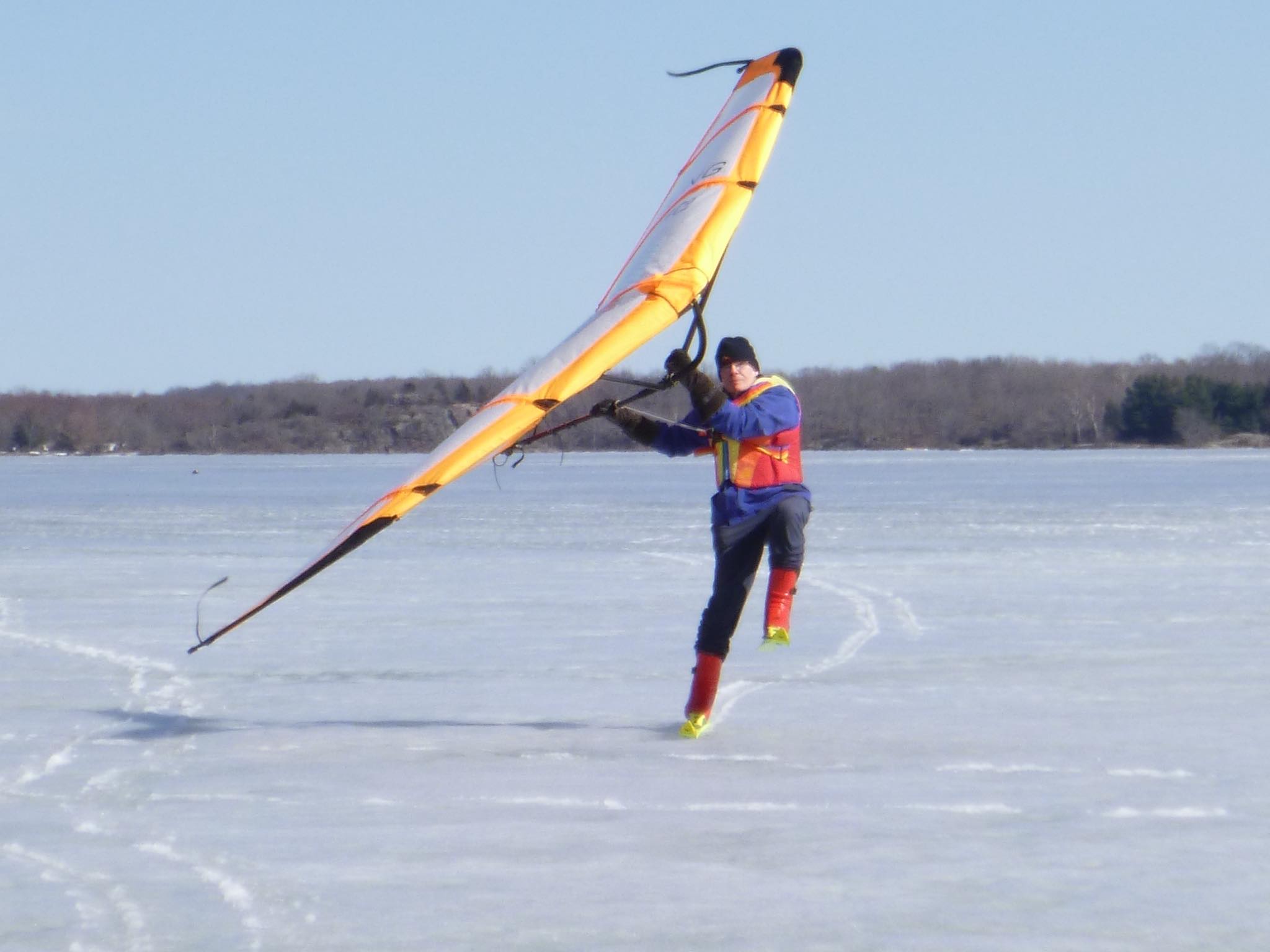
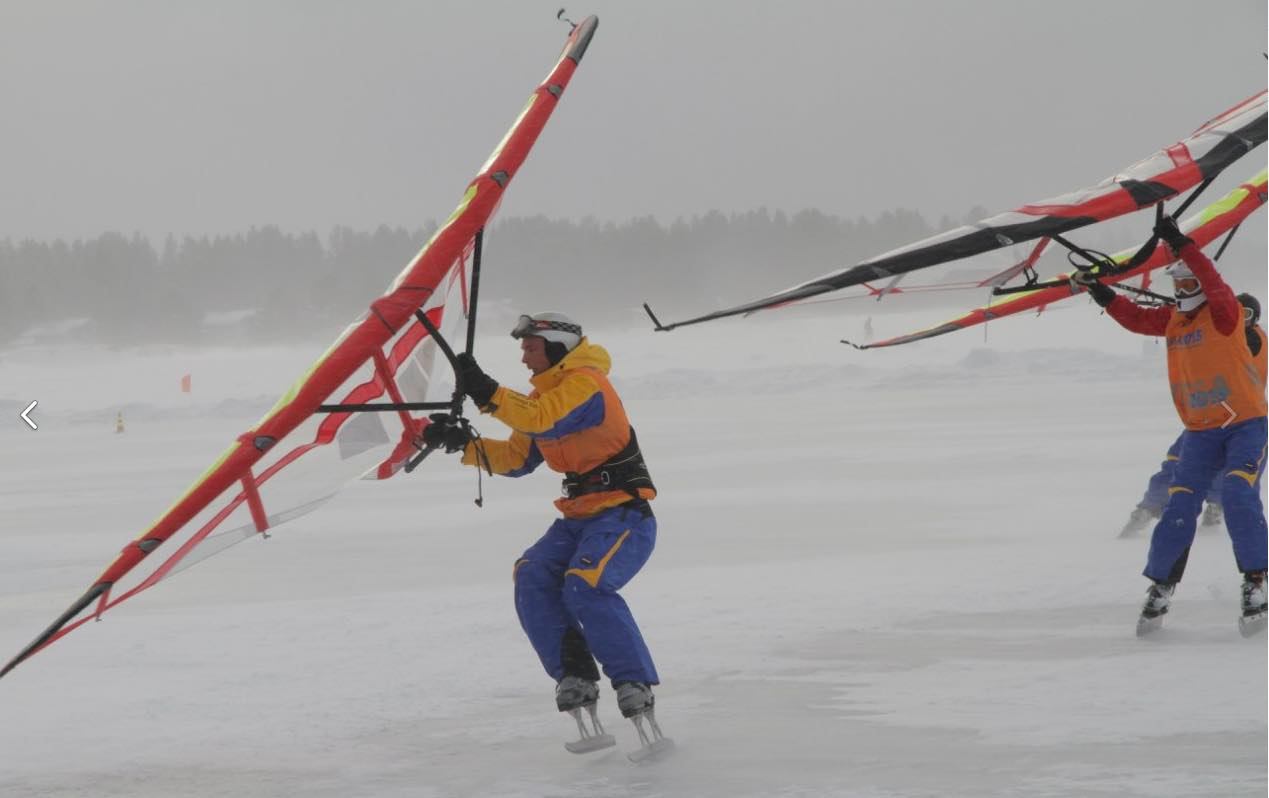
Wingfoiling and ICEWing are modern and dynamically developing disciplines that we actively pursue within Sailing Team. For us, wing represents a connection between freedom of movement, wind and technical progress with the possibility of recreational riding as well as competitive sport. We take part in races, organize joint training sessions and sports trips, and at the same time follow the latest development of equipment and riding techniques.
Wing is also about community, travelling and discovering new locations and conditions for us. Our activities include joint trips to the sea, inland spots and frozen ponds, as well as sharing experience among riders and supporting new members who want to start with wing or continue improving.
Historical insight into the WING category
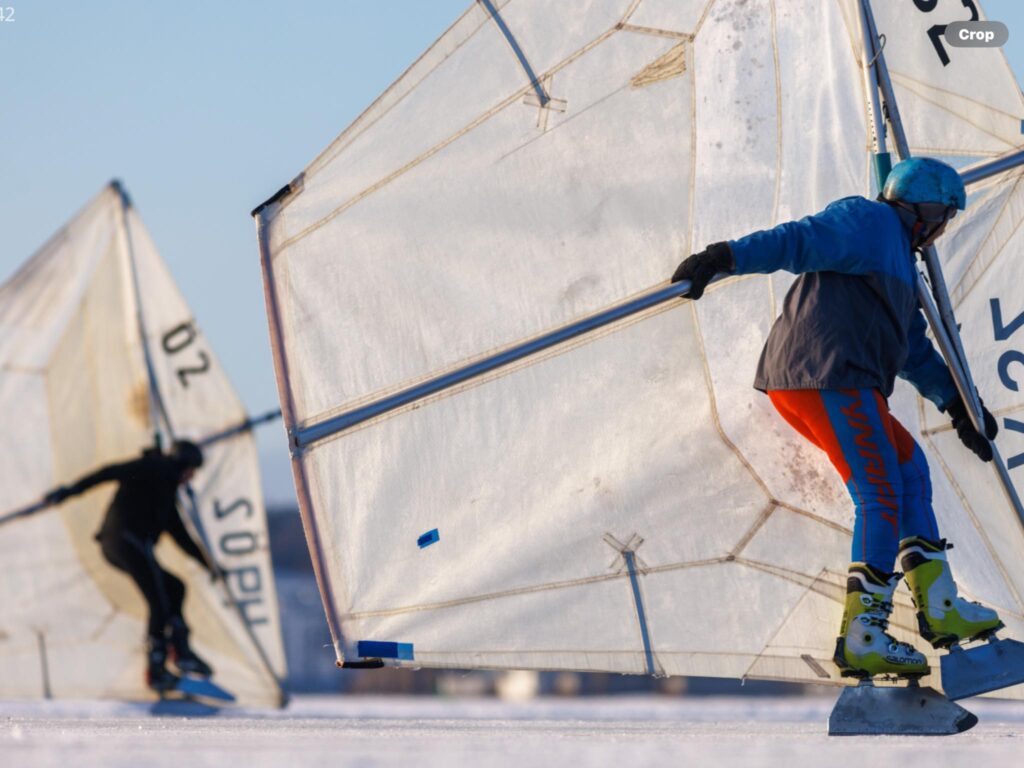
If we look deeper into history, the principle of kitewing, meaning a rigid, hand-held wing without lines, appears in winter conditions earlier than the modern kite discipline. Already in the 1960s and 1970s, various types of wings and sails for moving on skis across frozen lakes were experimented with in the Nordic countries, especially in Finland and Sweden. At that time, the first informal races and speed attempts on ice also began to be organized, where simple constructions resembling today’s kitewing were used – rigid frames covered with fabric, controlled directly by the rider. These systems were closer to windsurfing than to kites and represent an important, but often overlooked, development branch of wind sports.The modern kitewing, as we know it today, was then systematically developed by Jussi Keinänen at the turn of the 1990s and then modernized at the beginning of the 21st century, when its construction, handling and portability were optimized. Today, kitewing has a specific position among winter sports. Unlike snowkiting, it remains less widespread and more of a community discipline, but it offers unique advantages in the form of simple handling, immediate power control and a high level of safety in changing conditions. Thanks to this, it keeps a firm place especially in Nordic areas and among athletes focused on speed on ice and a technically clean riding style.