KITING
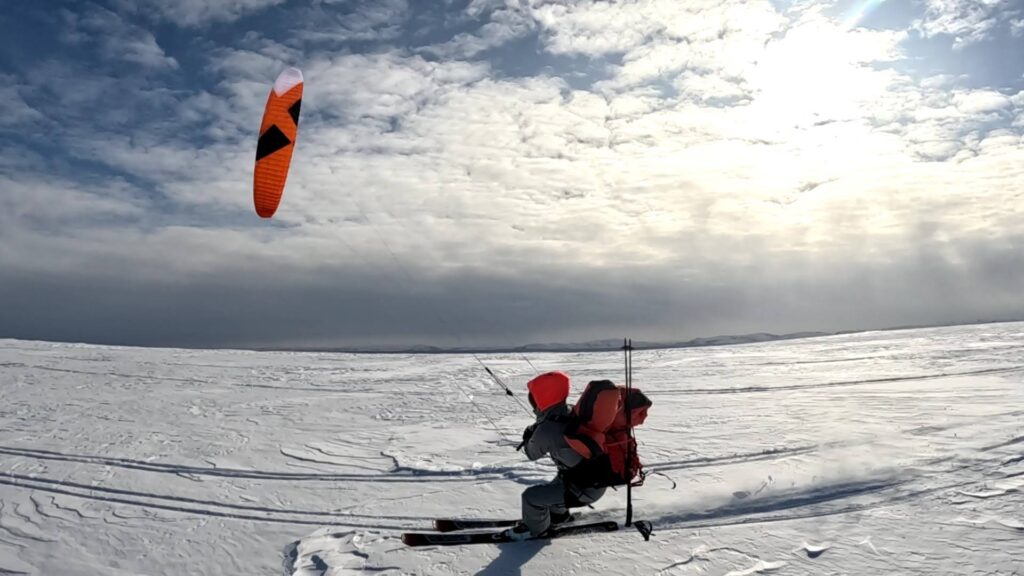
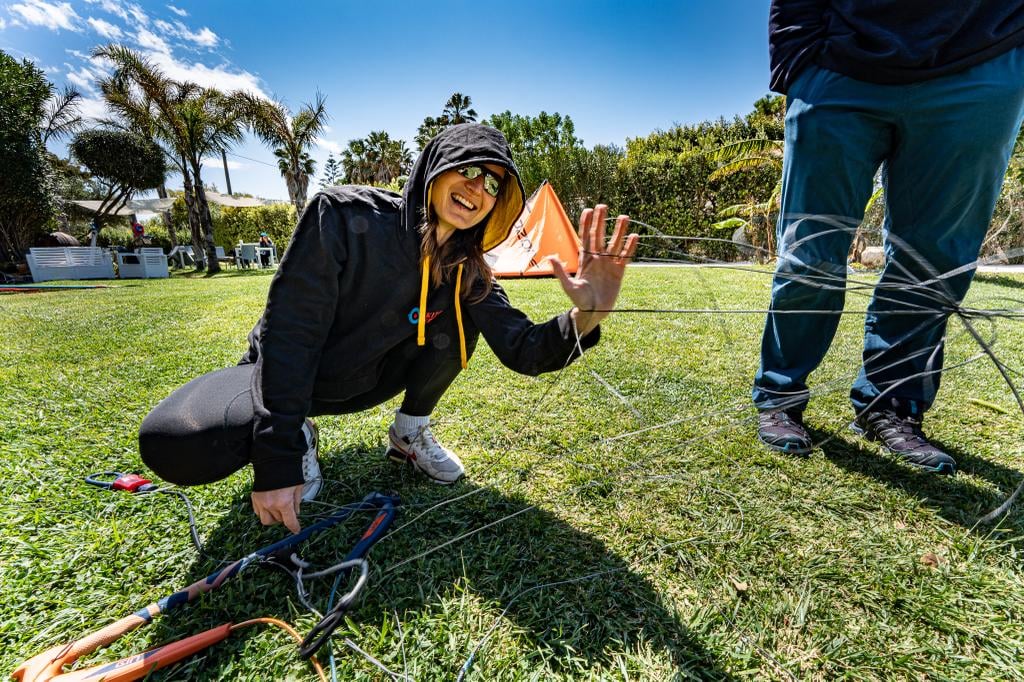
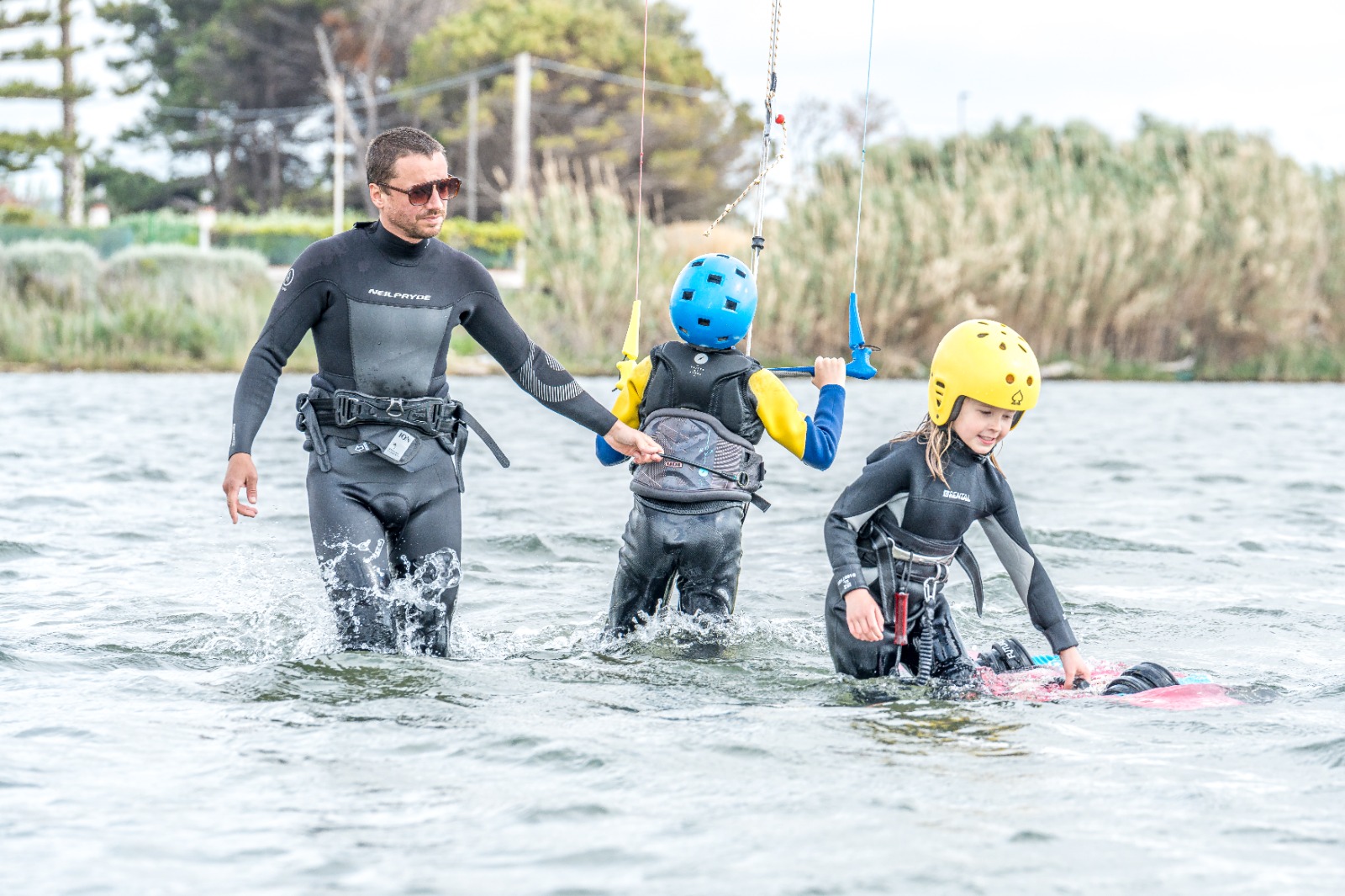
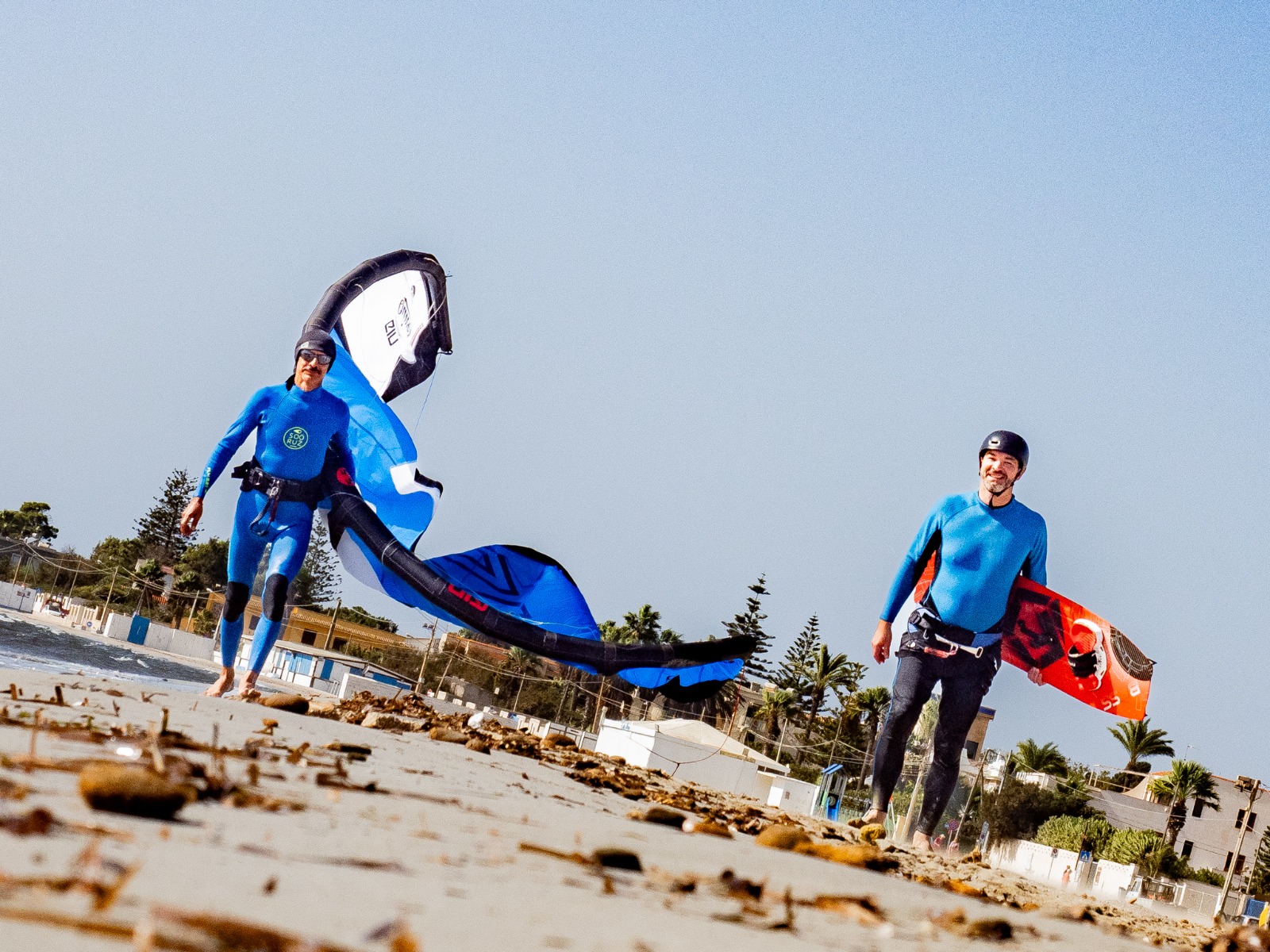
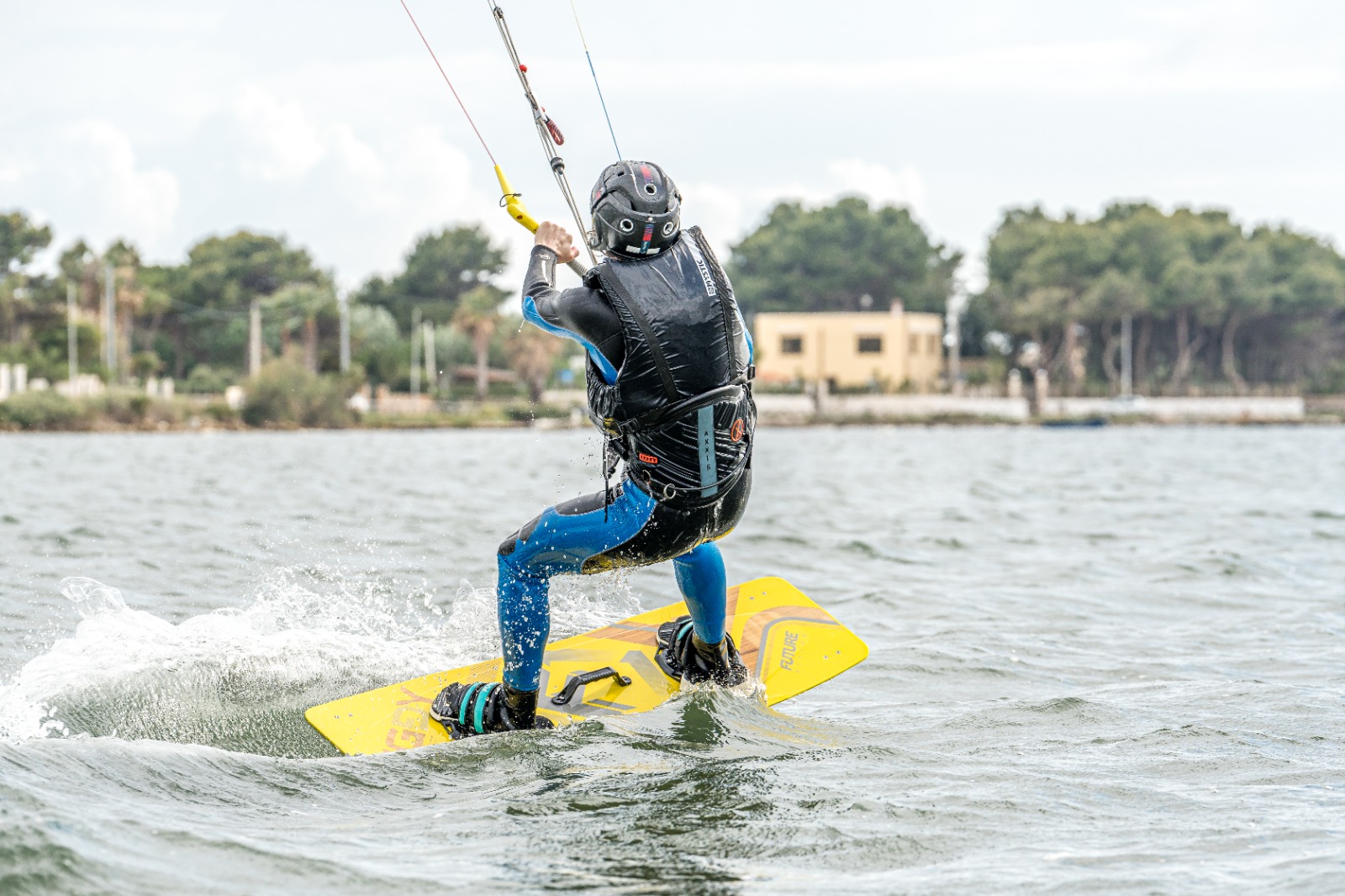
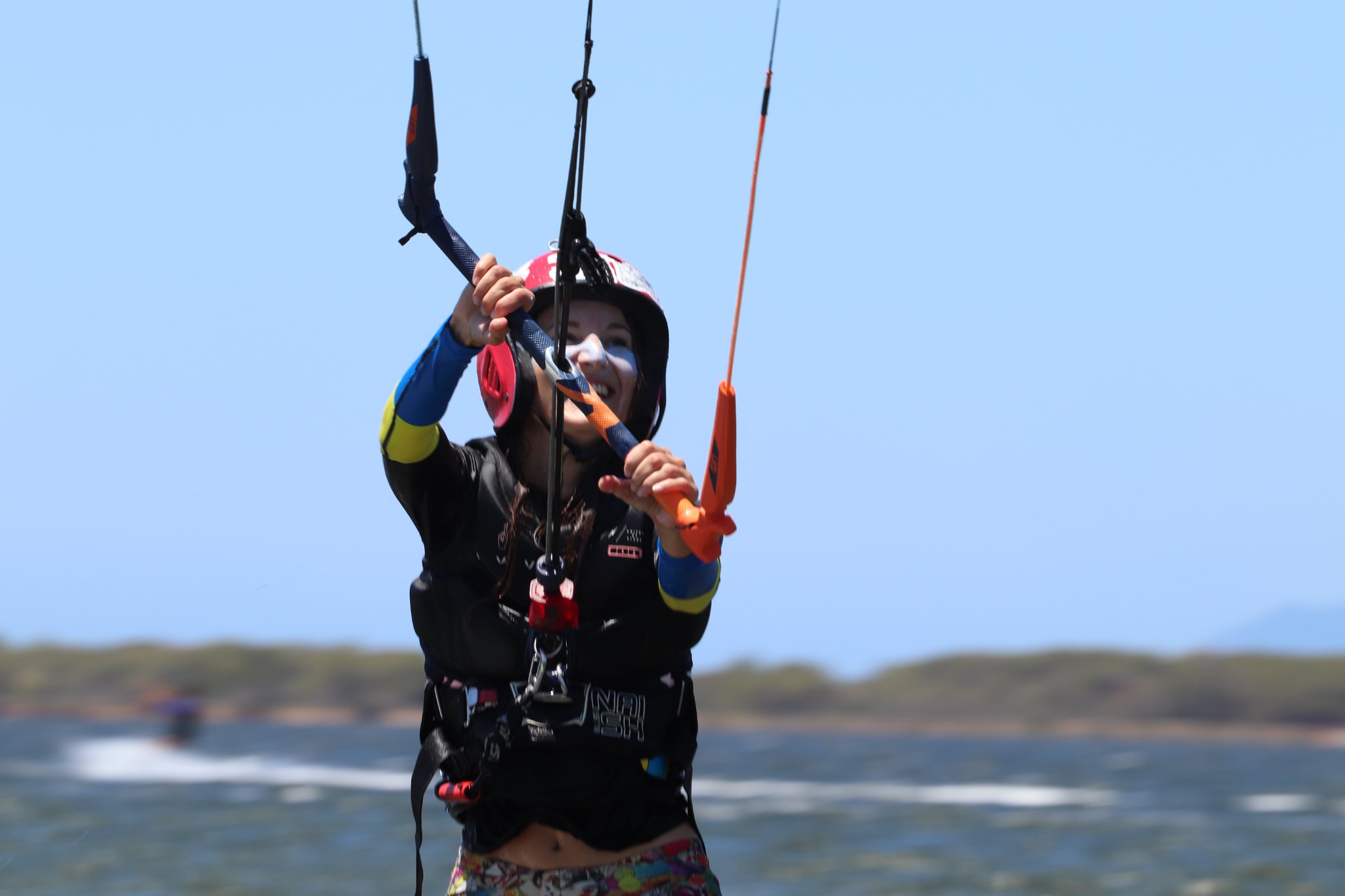
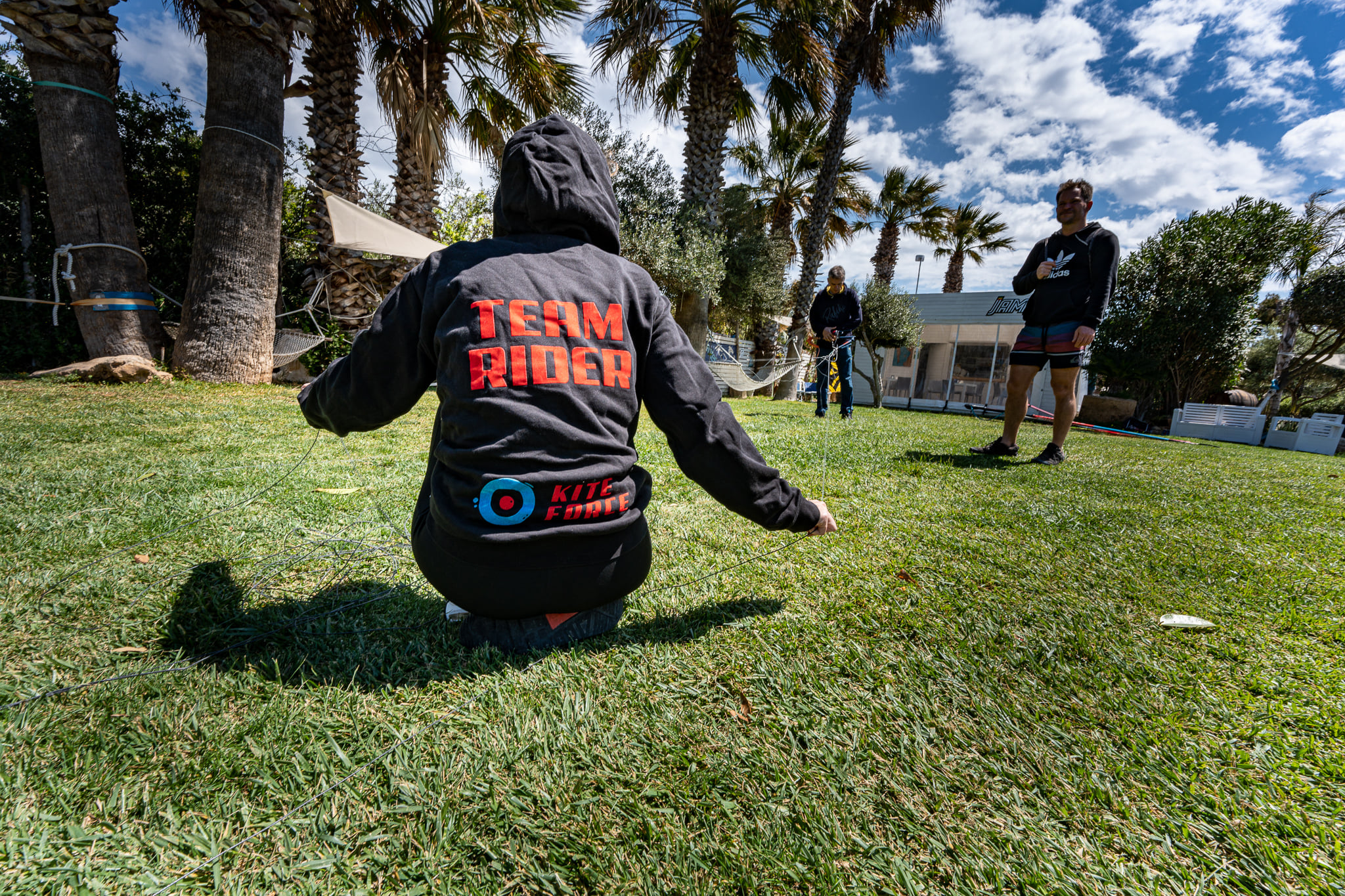
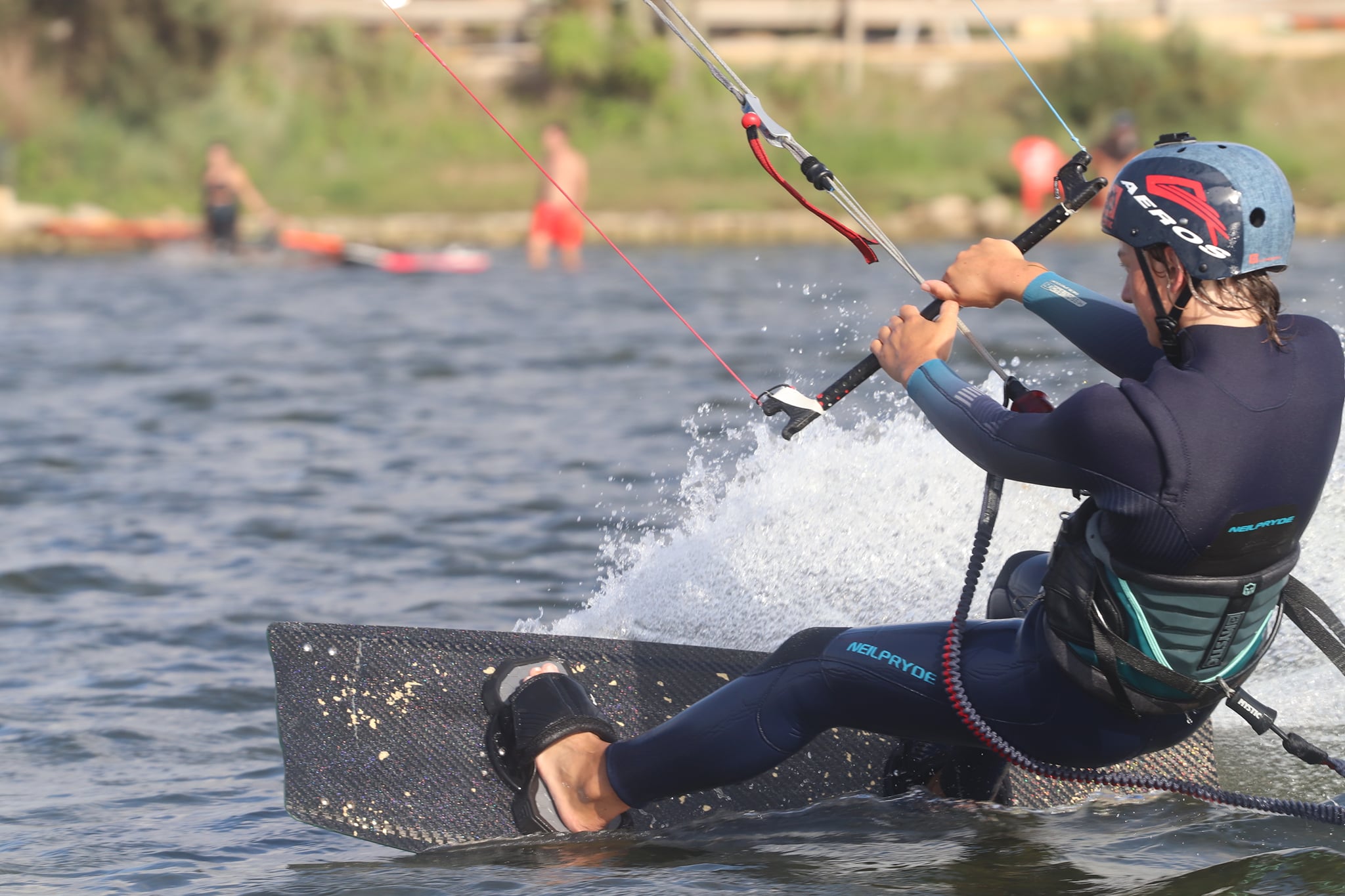
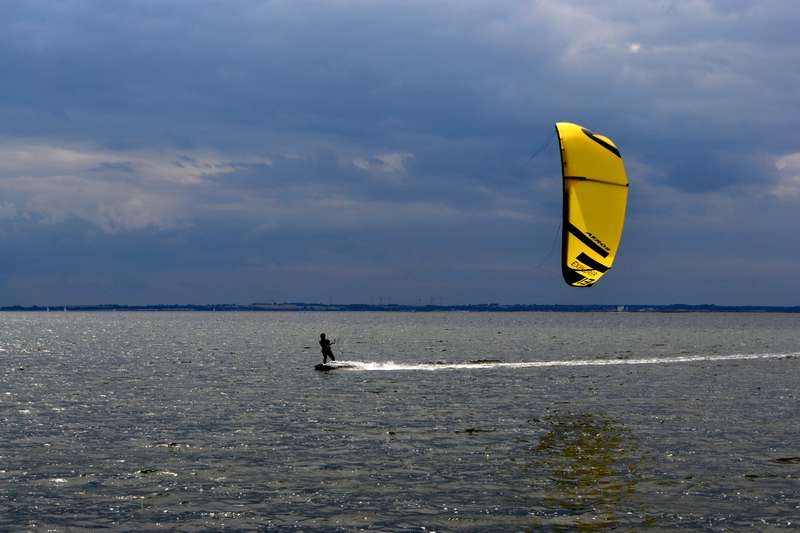
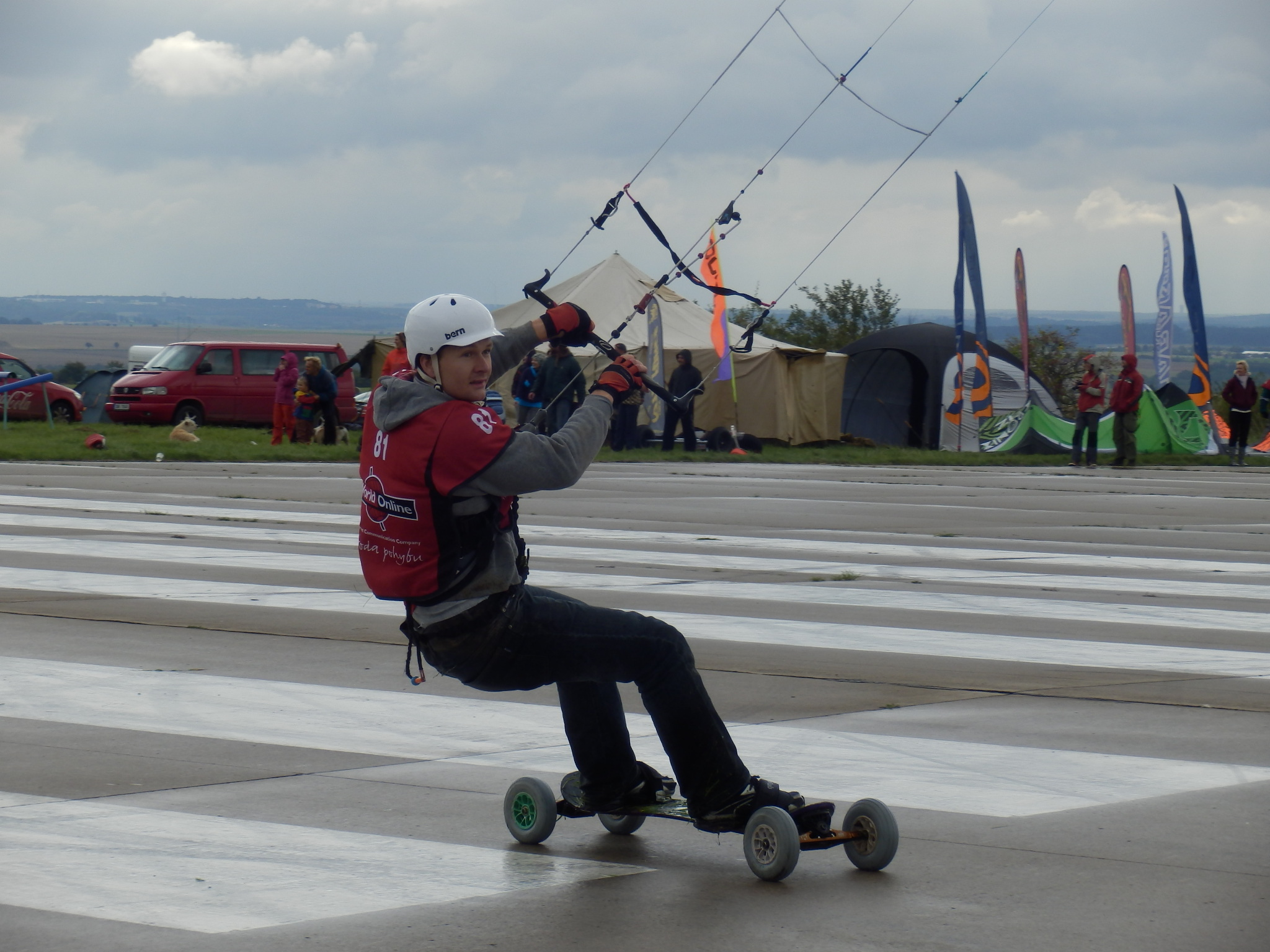
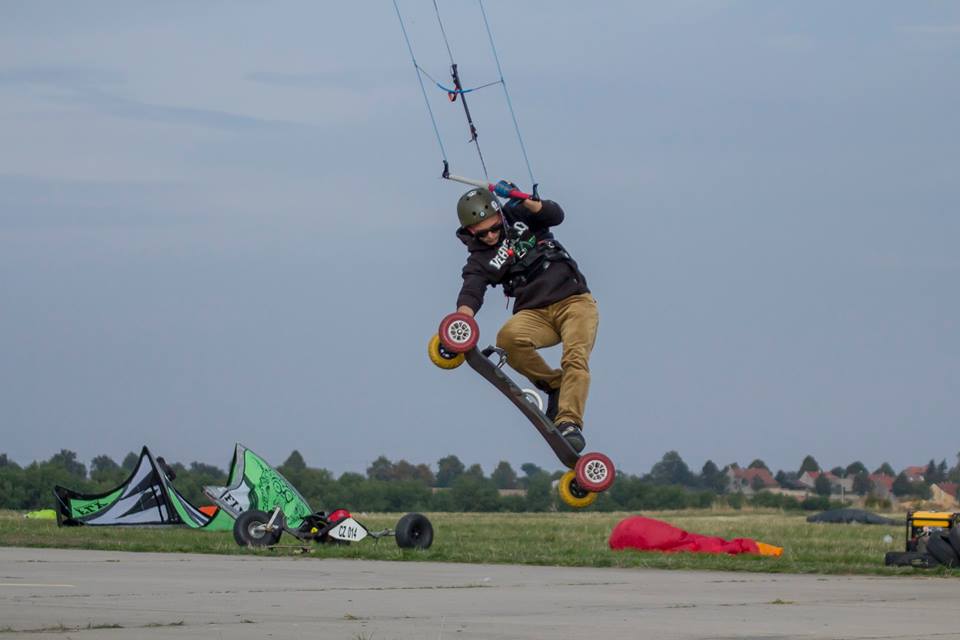
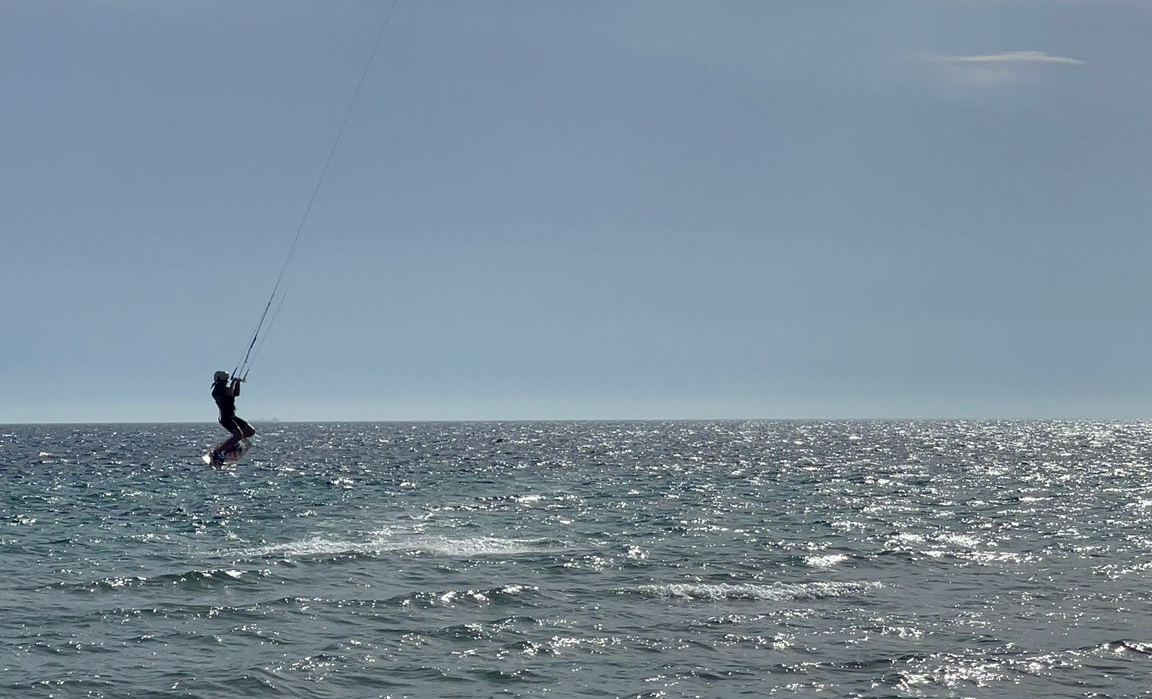
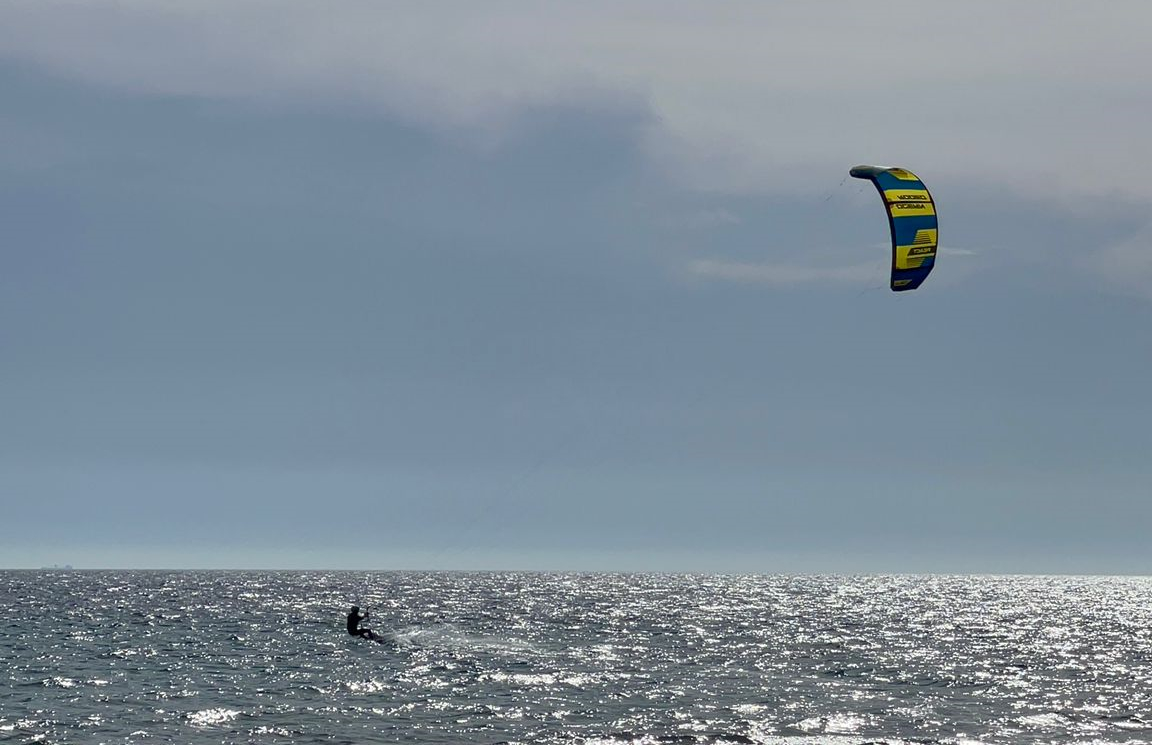
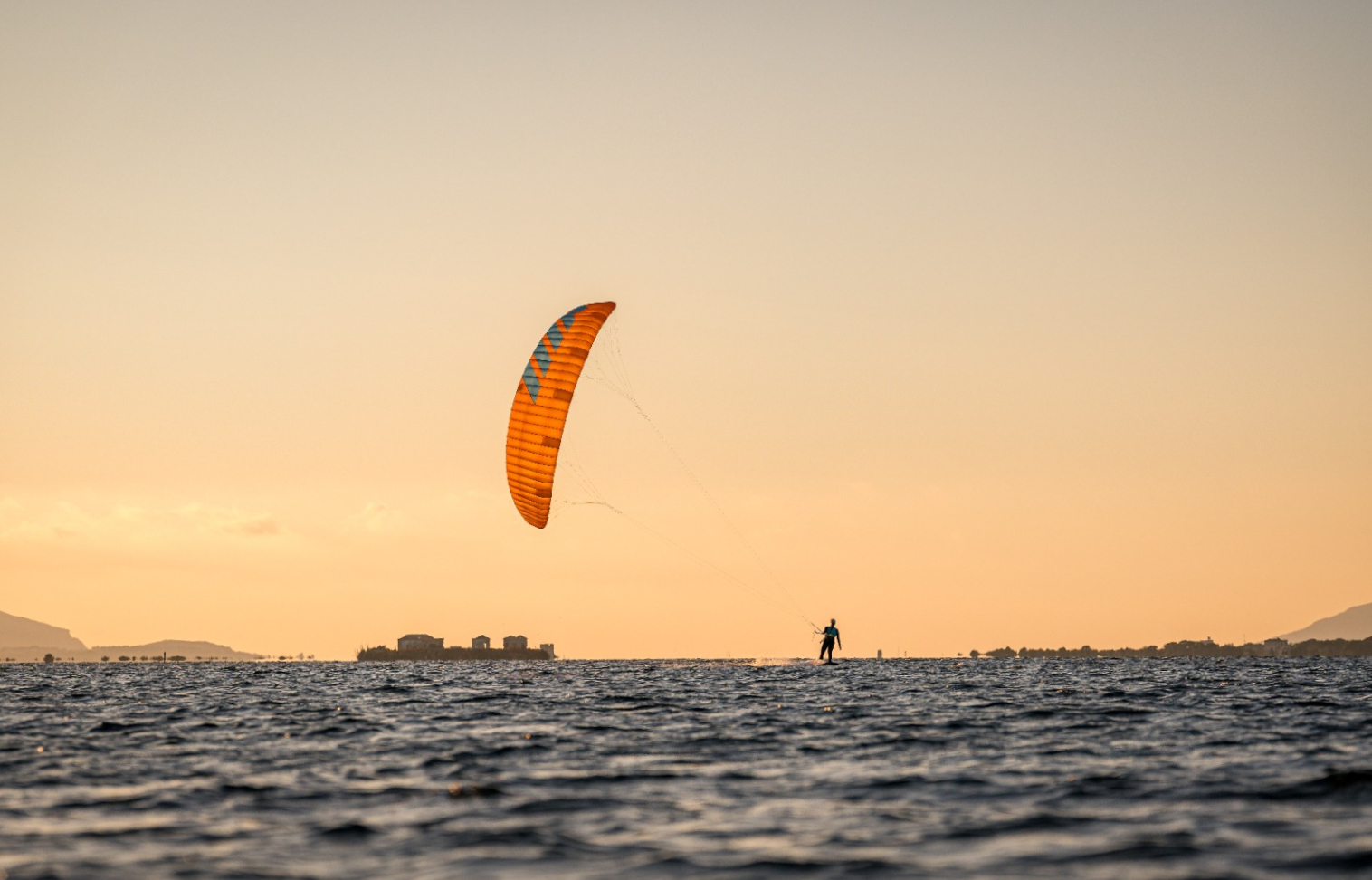
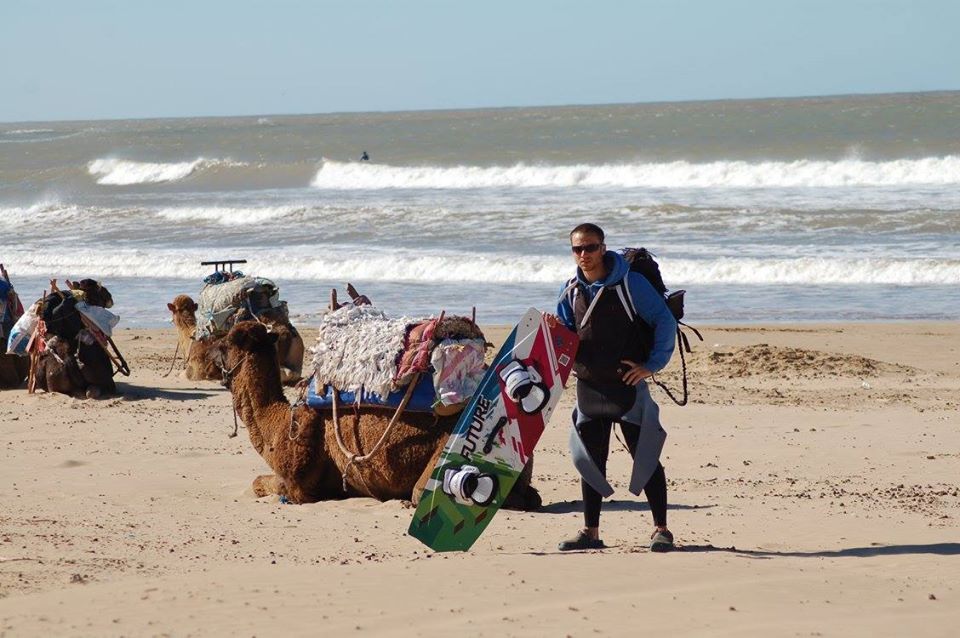
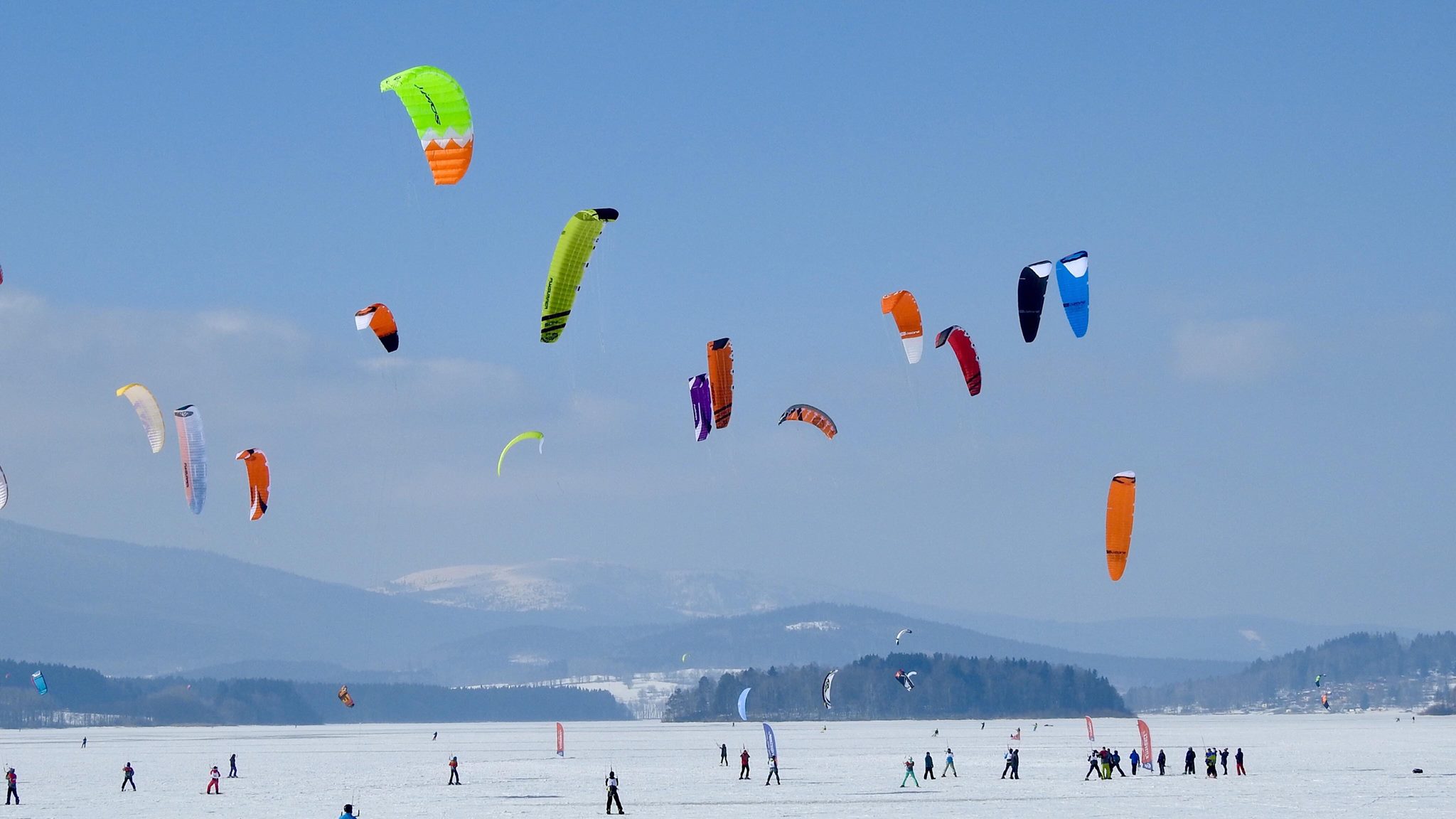
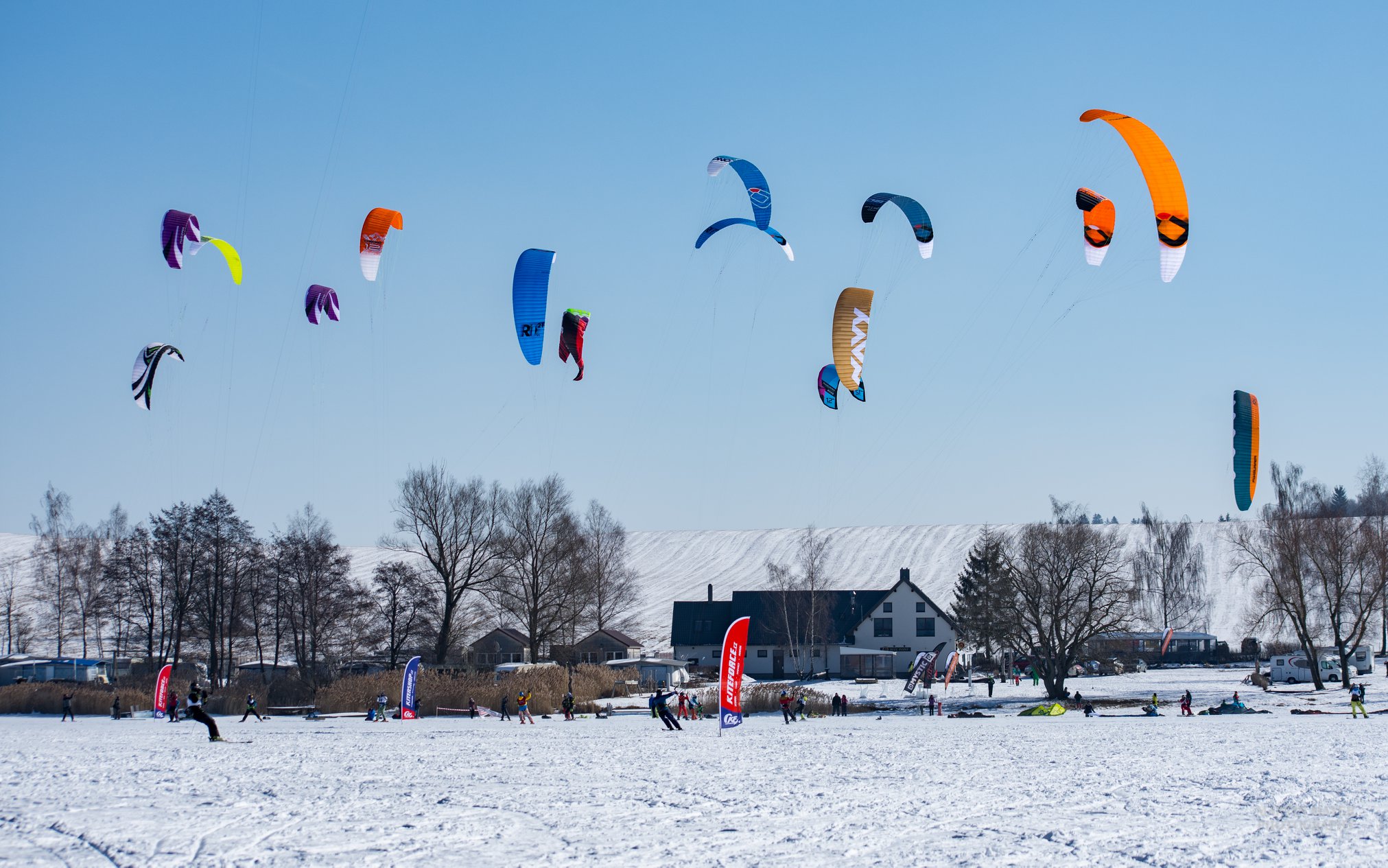
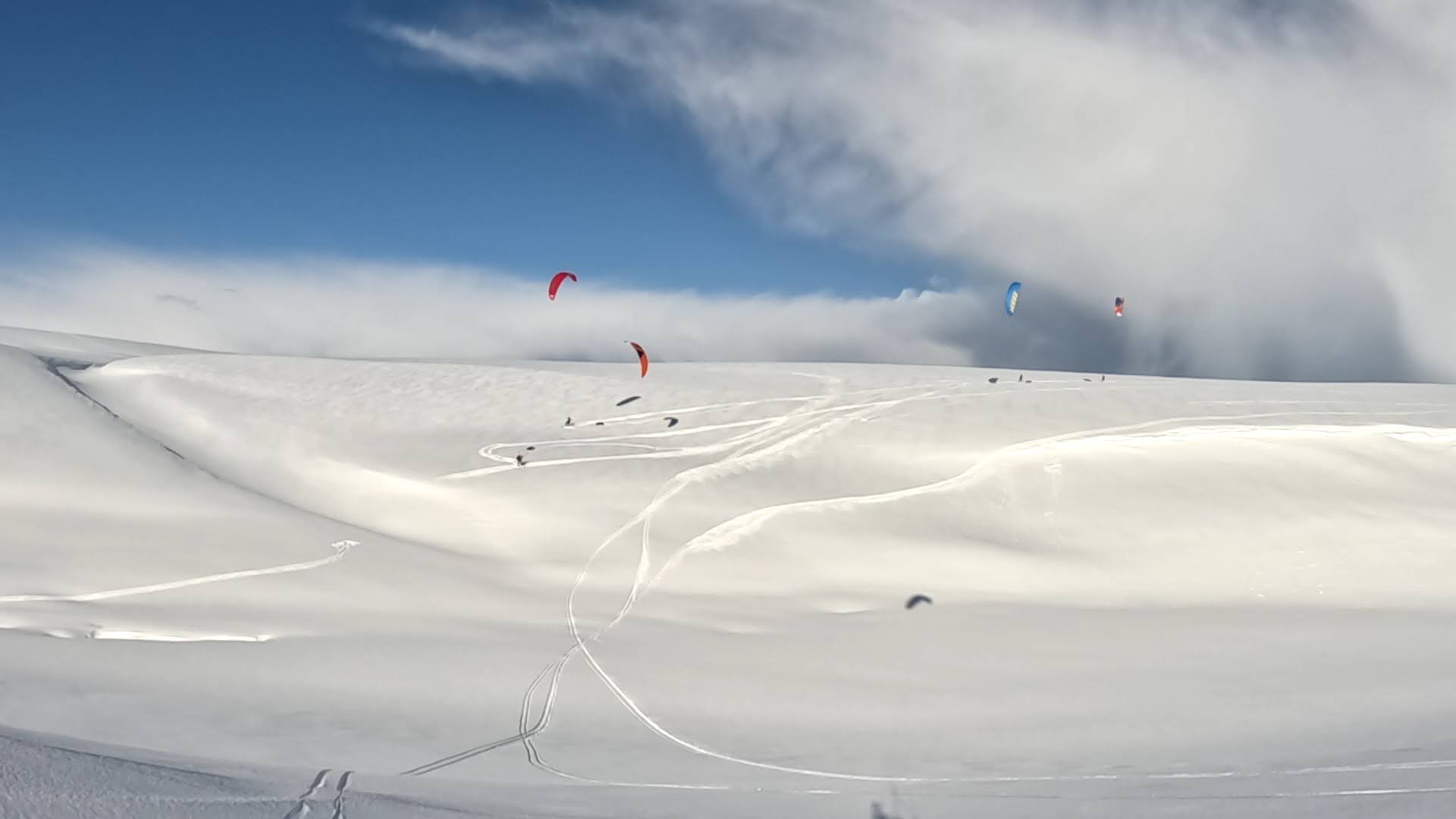
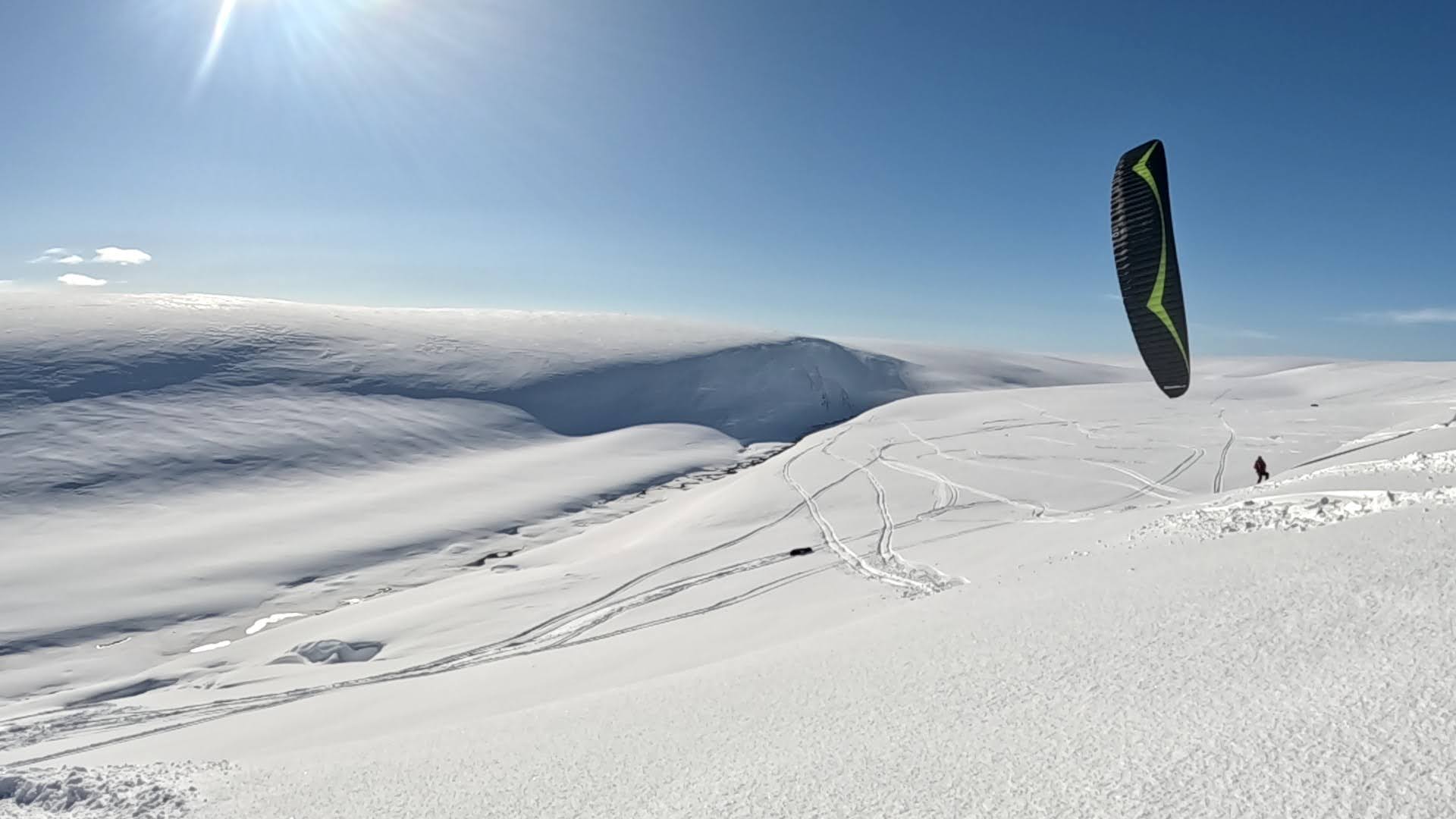
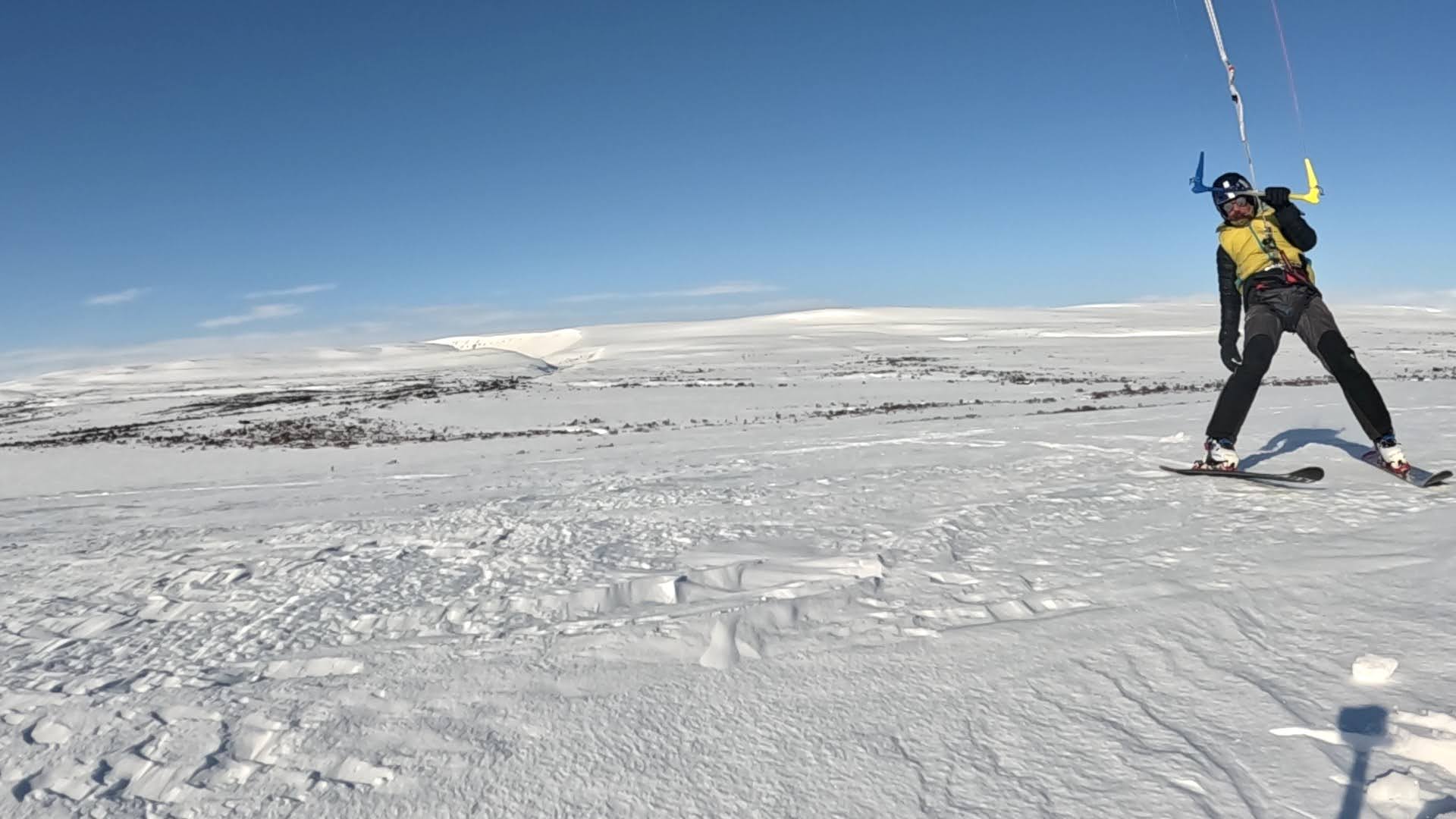
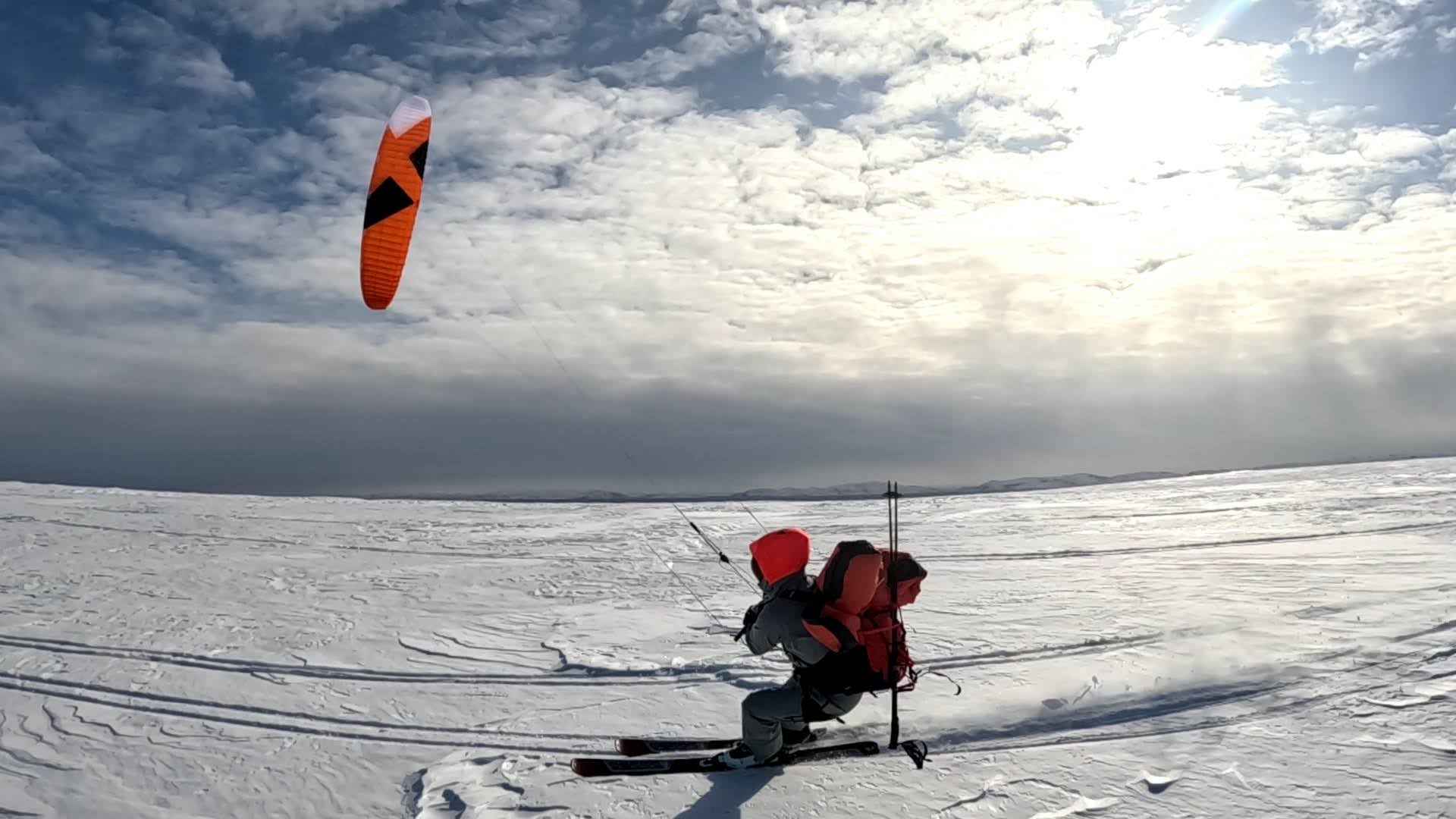
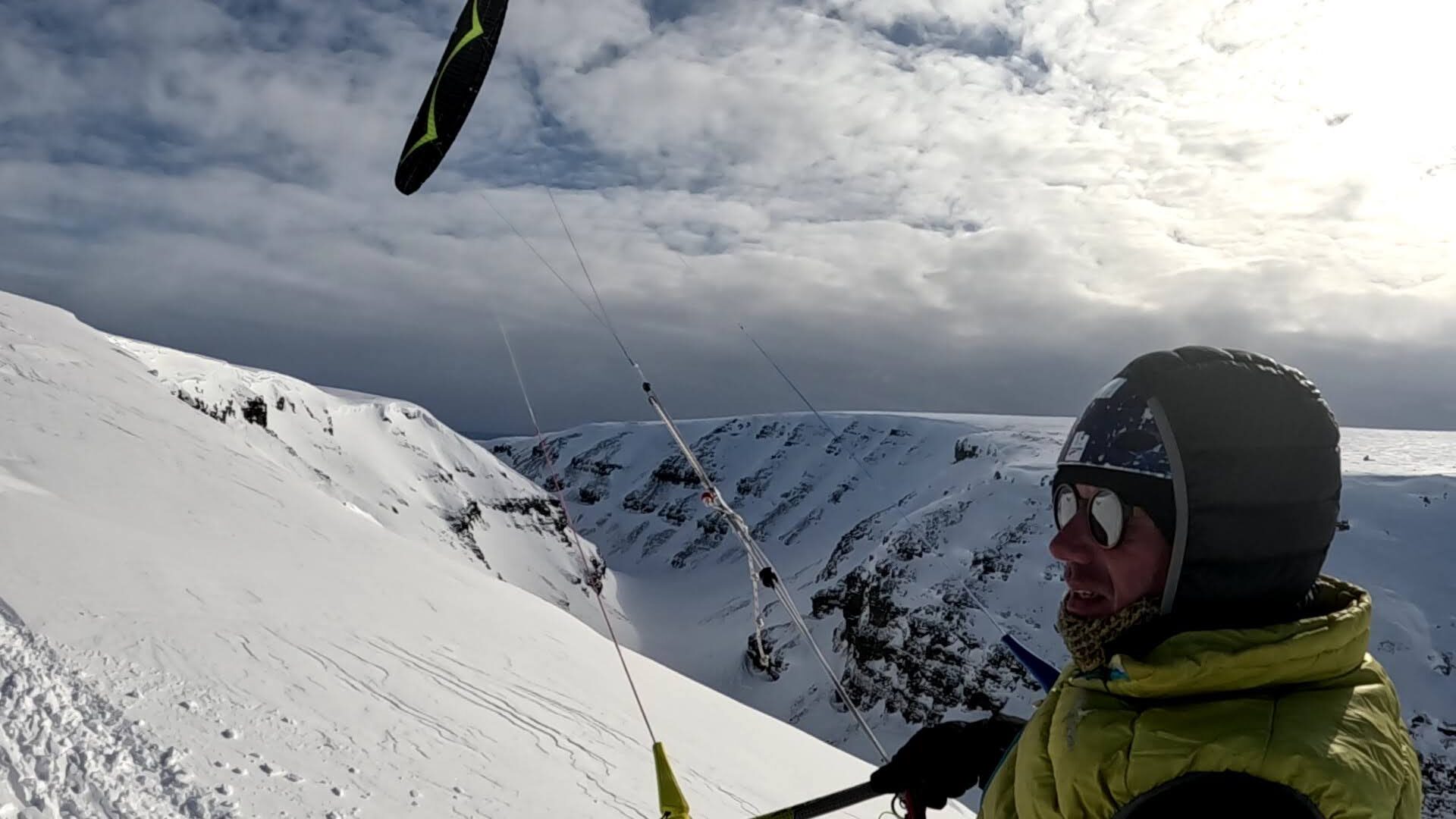
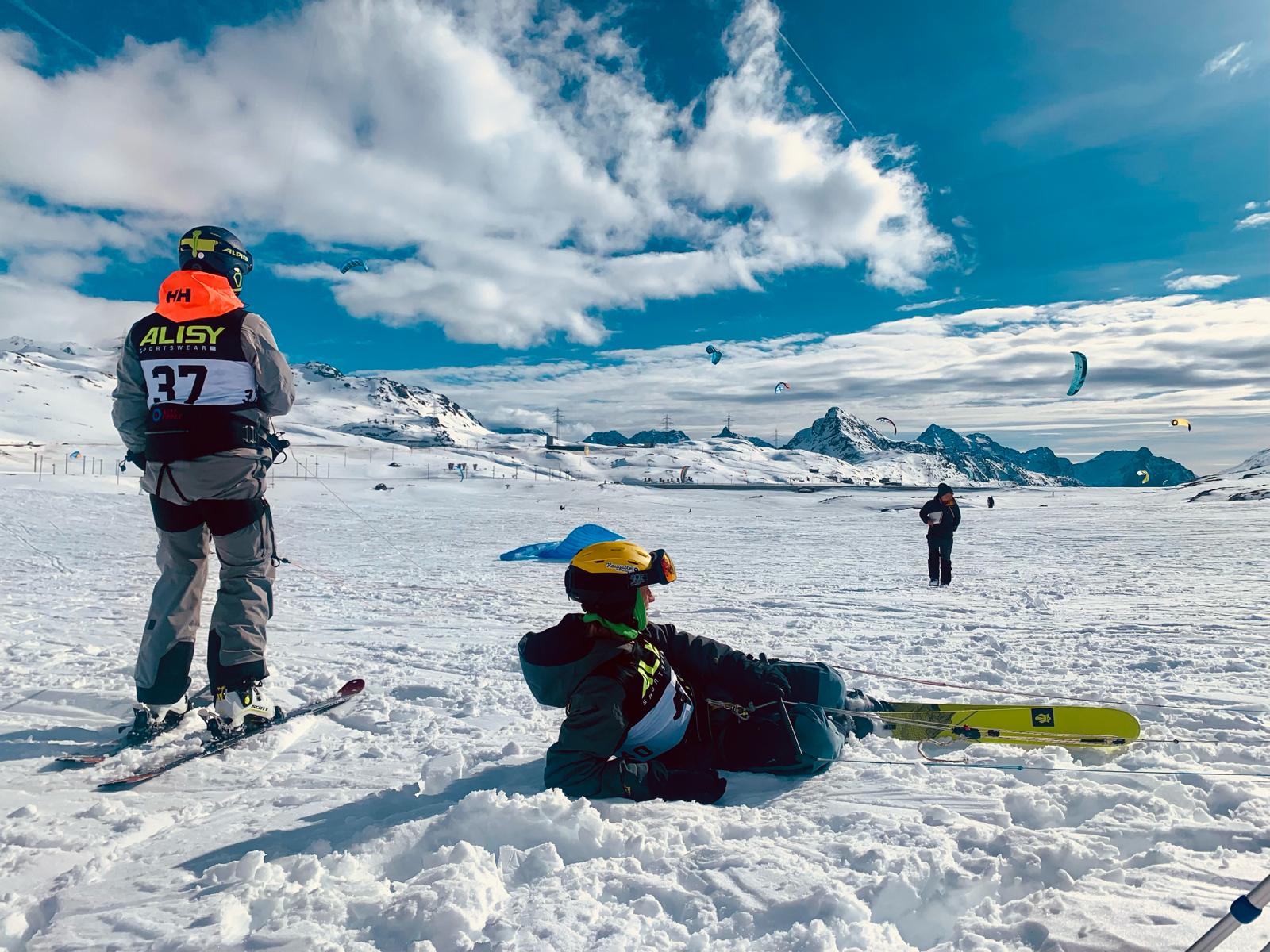
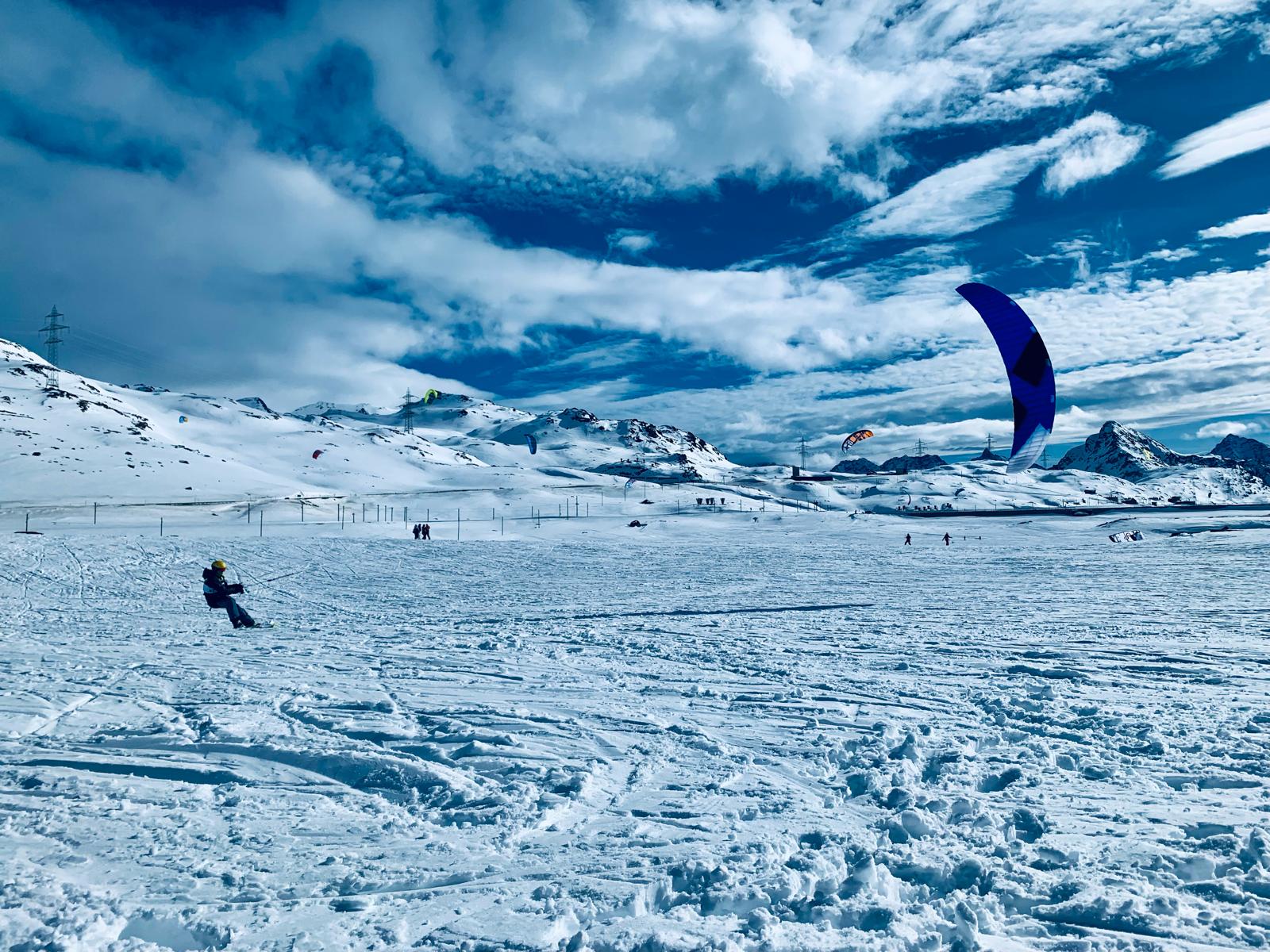
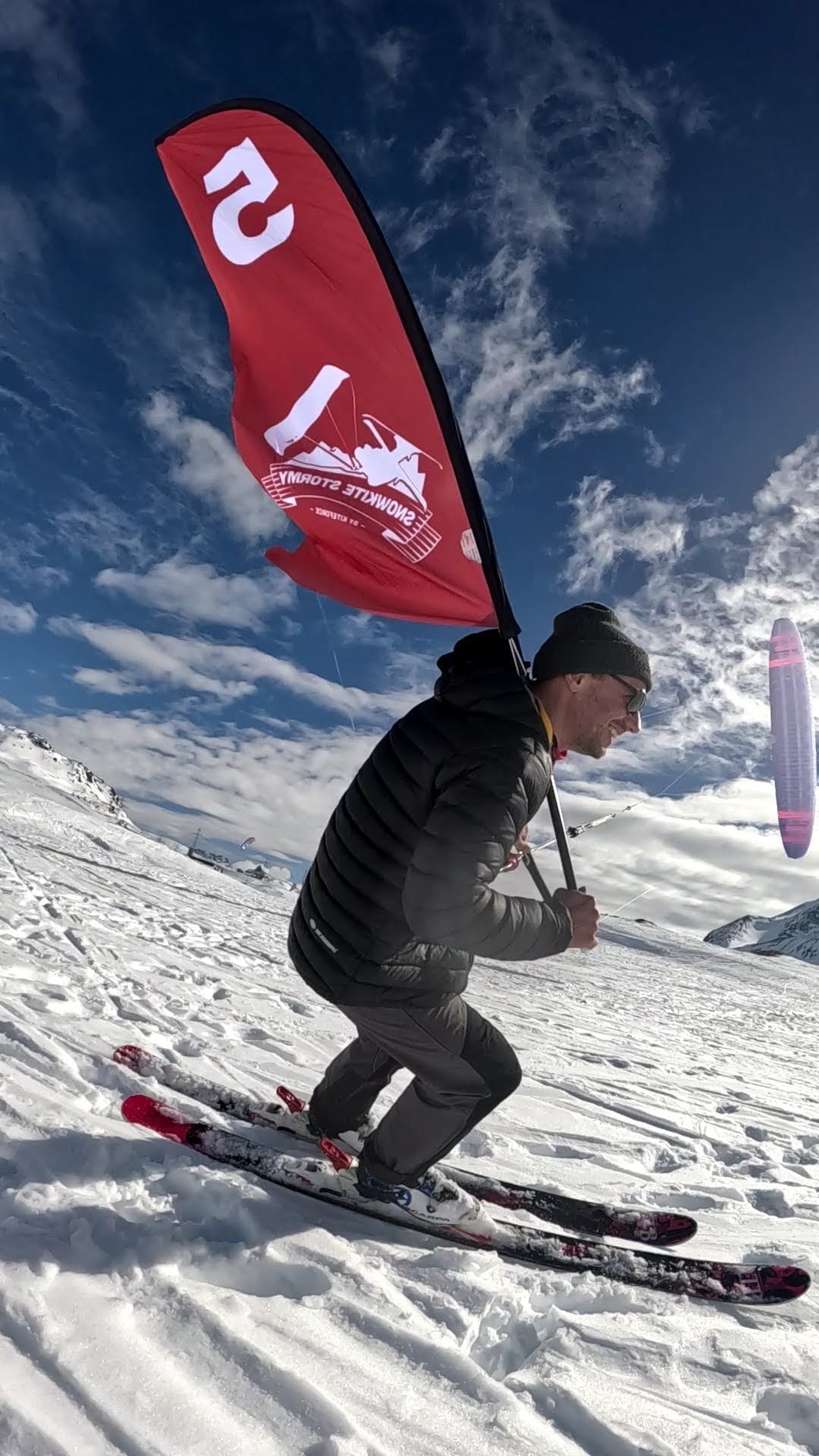
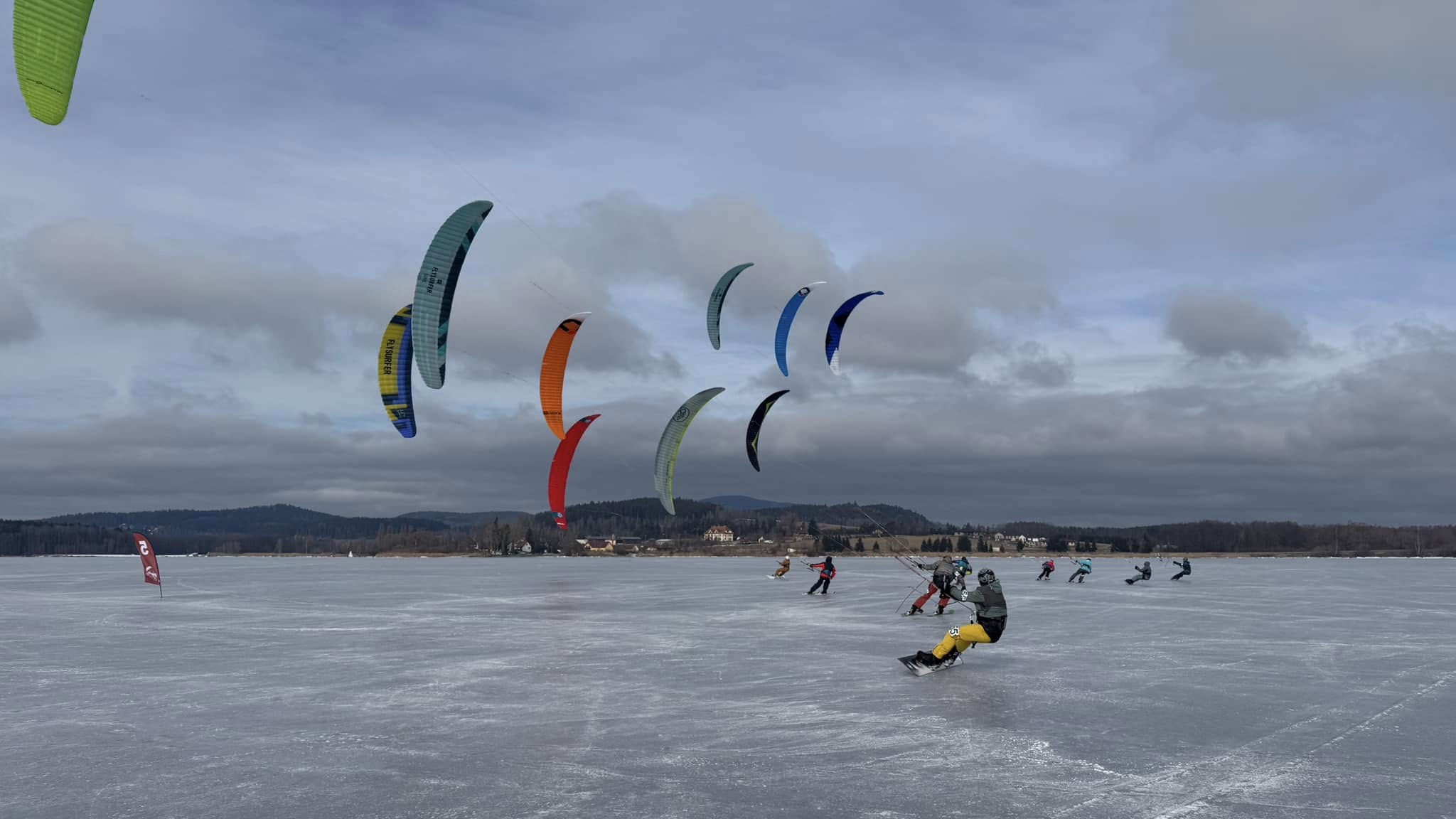
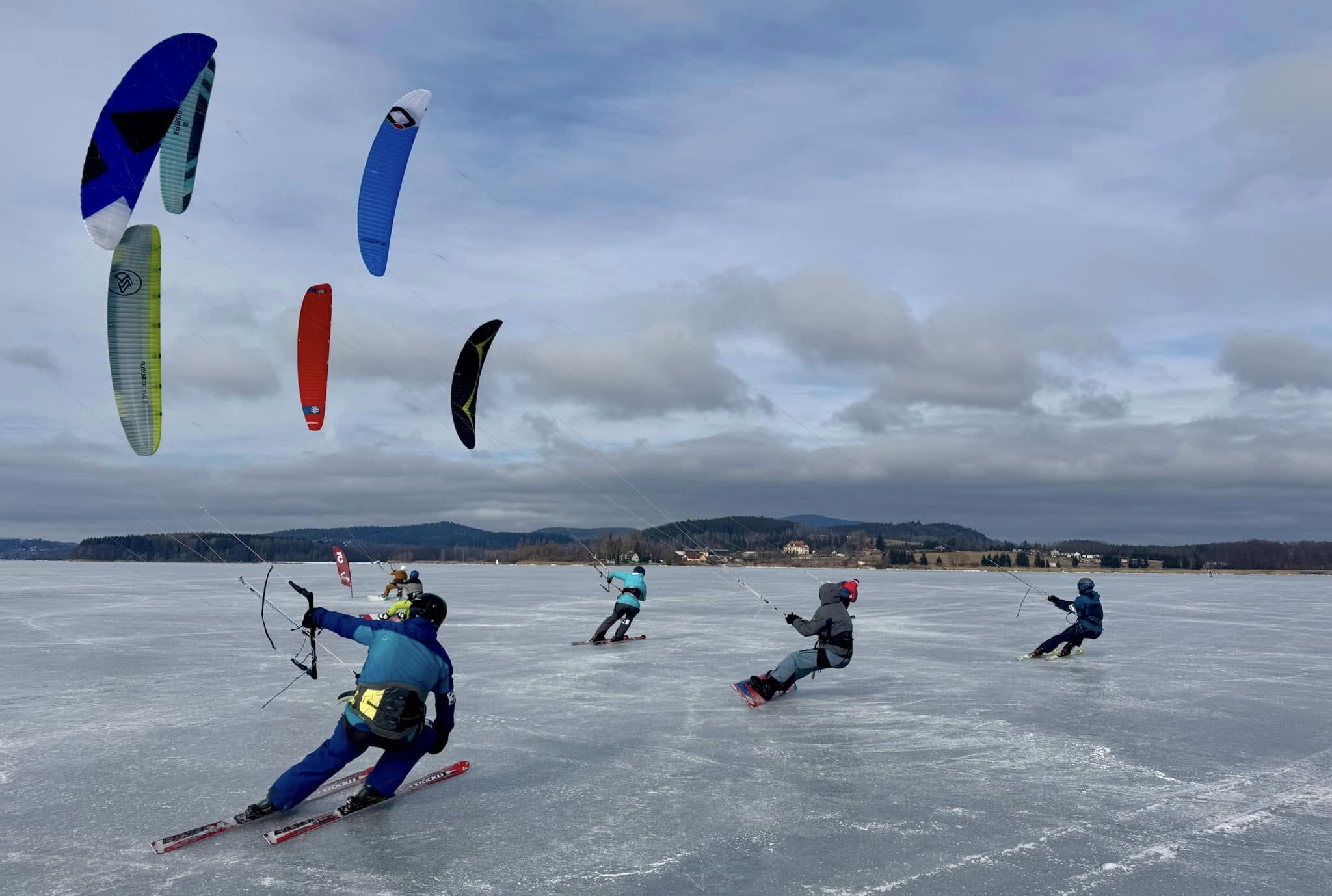
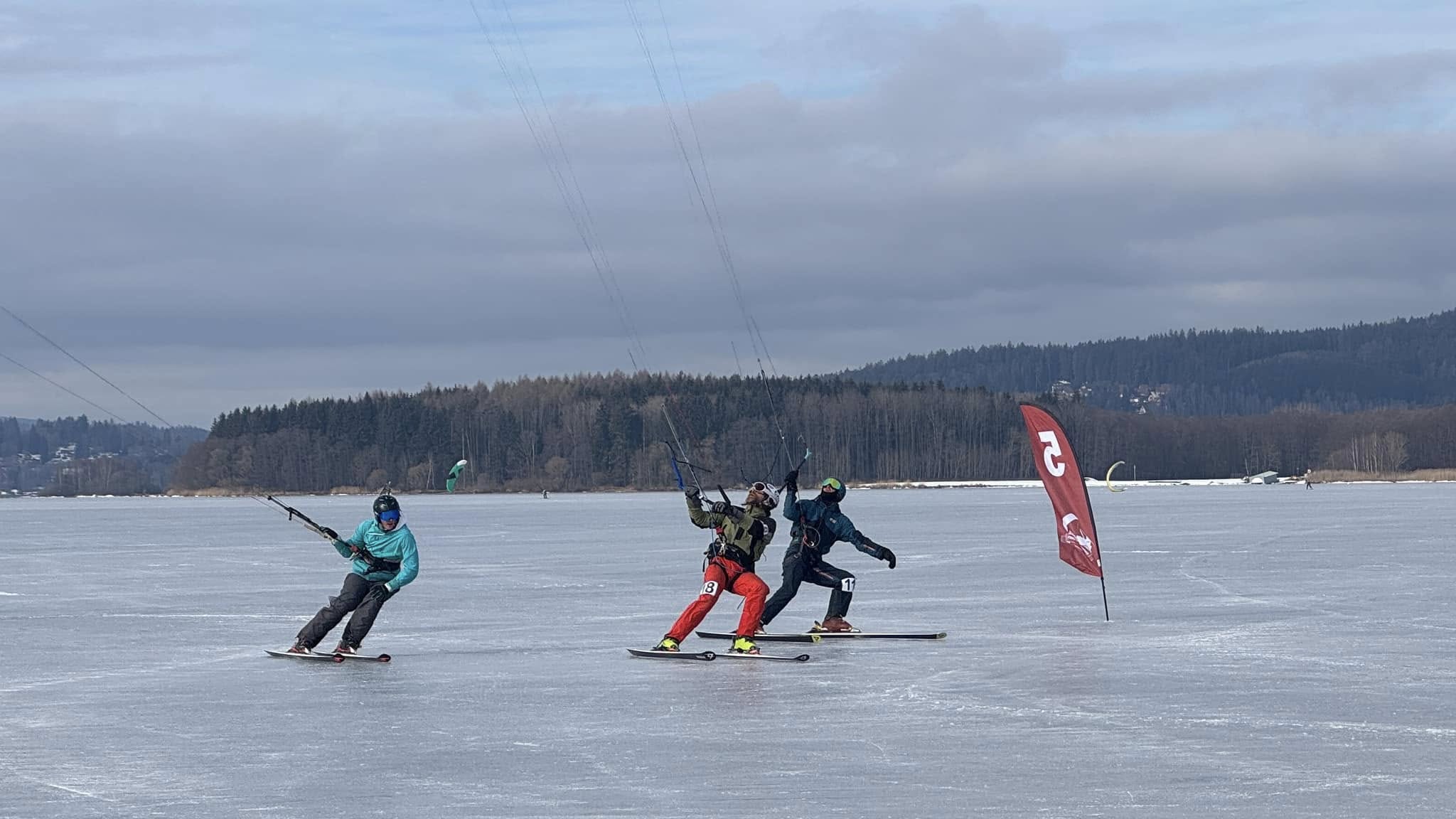
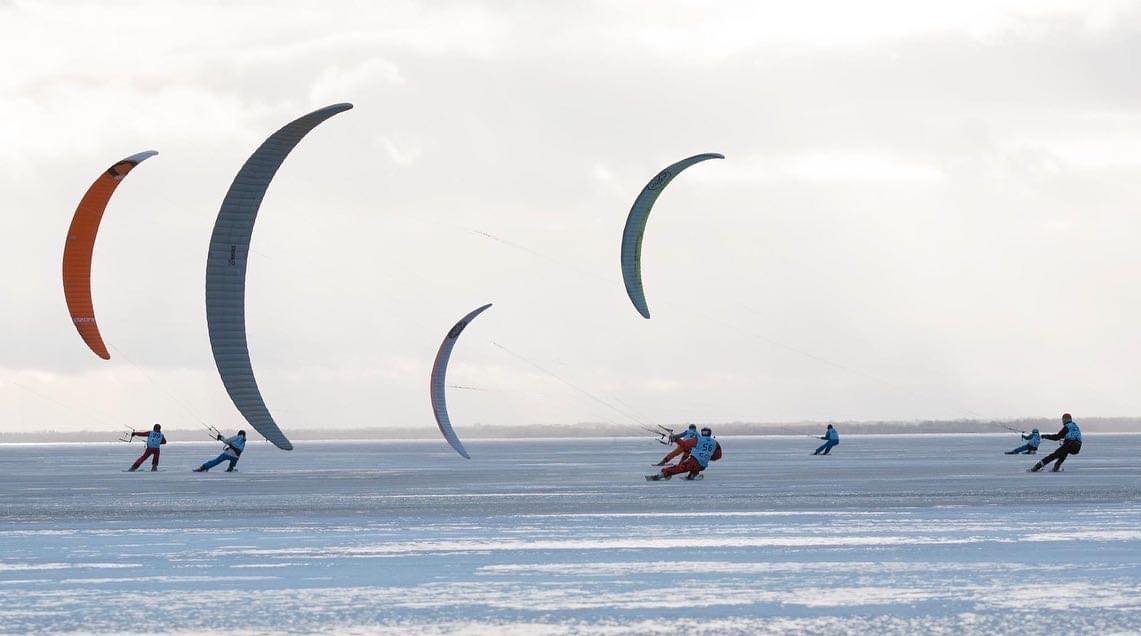
Kiting is one of the main disciplines of Sailing Team and has long been one of our most active sporting areas. We focus on both racing and expedition kiting in various conditions — on water, snow, and land. We regularly take part in domestic and international races, organize the Czech Snowkiting Championship as well as other races, training sessions, and camps, and support the development of both young and experienced riders. Group trips in search of the best conditions are also an important part of our activities.
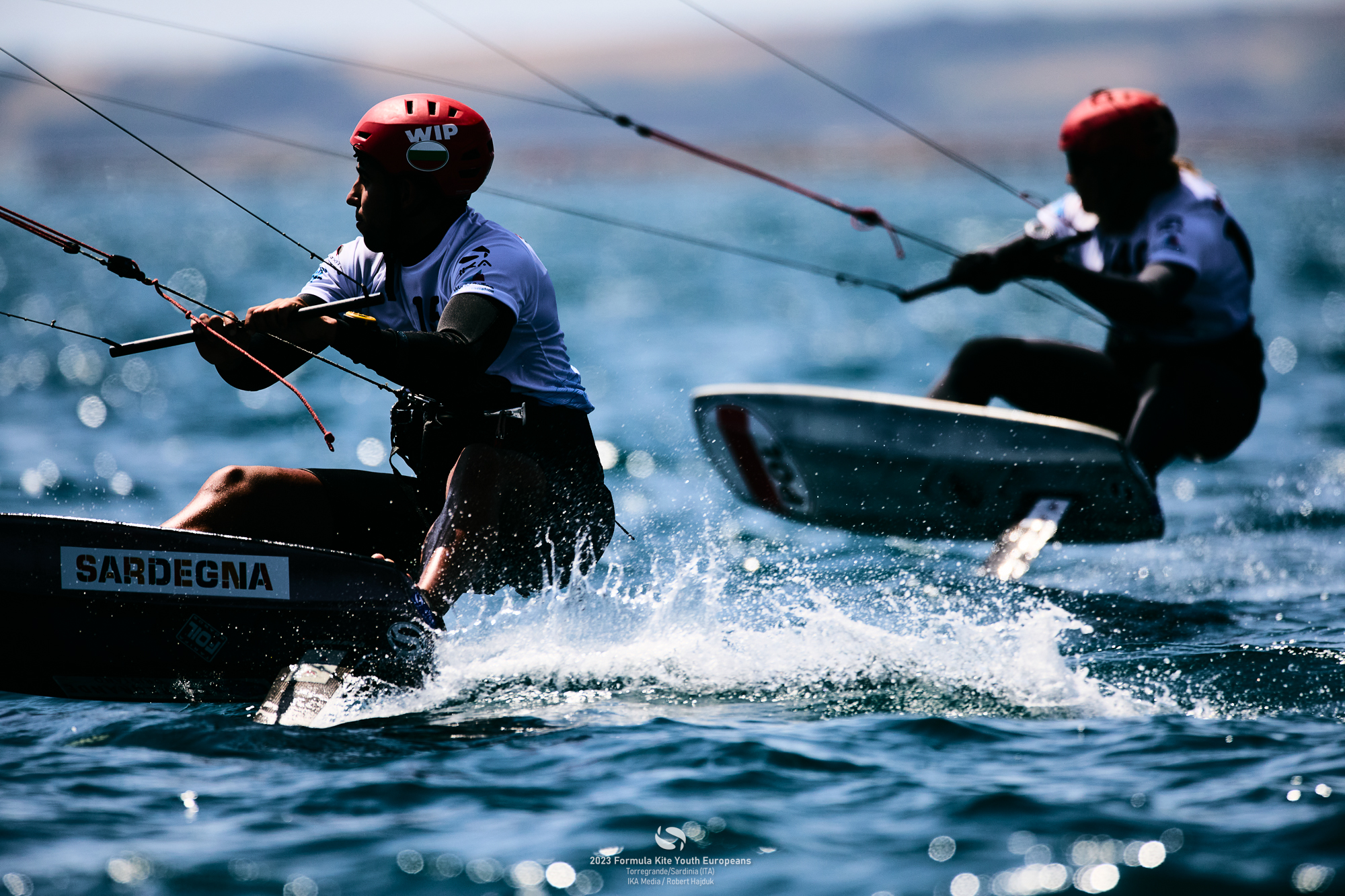
Sailing Team has long been involved in World Cup events and international competitions, especially those organized by WISSA and IKA. We have experience with racing in extreme conditions, as well as with organizing major sporting events and expeditions in different parts of Europe and beyond. For us, kiting is not just a sport — it is a combination of racing, travel, technology, freedom, and a strong team community.
Historical Insight into Kiting
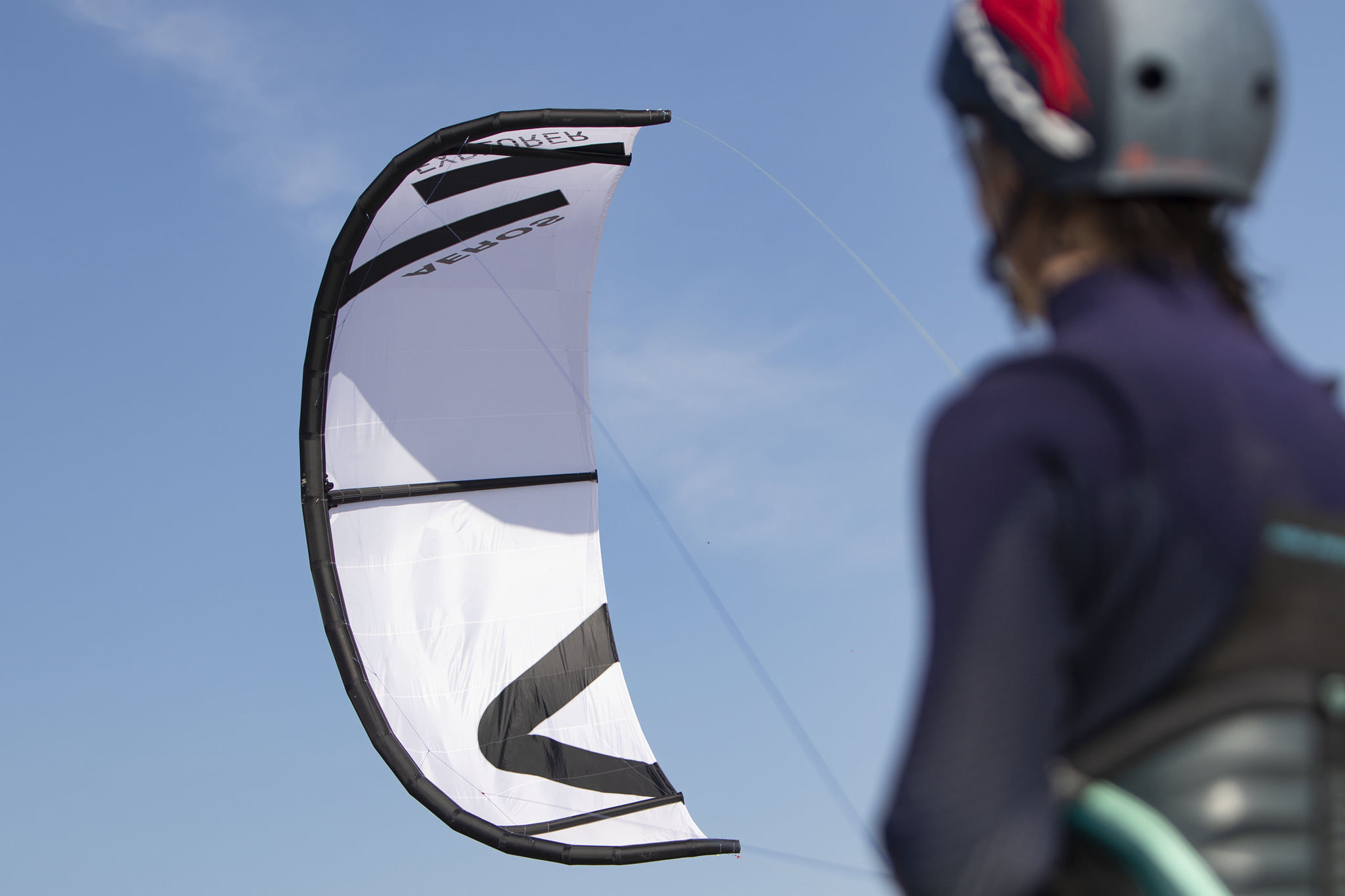
The roots of kiteboarding date back to ancient China, where people used kites for movement on water and land. An important milestone in the development of kite traction was the year 1903, when Samuel Franklin Cody crossed the English Channel using a system of large kites to pull a boat, demonstrating the practical potential of this technology. Modern kiteboarding, however, began to take shape only in the late 1970s, mainly thanks to the brothers Bruno Legaignoux and Dominique Legaignoux from France, who developed an inflatable kite that could be relaunched from the water. In the 1990s, the sport spread rapidly and, over the following decade, became a global phenomenon.
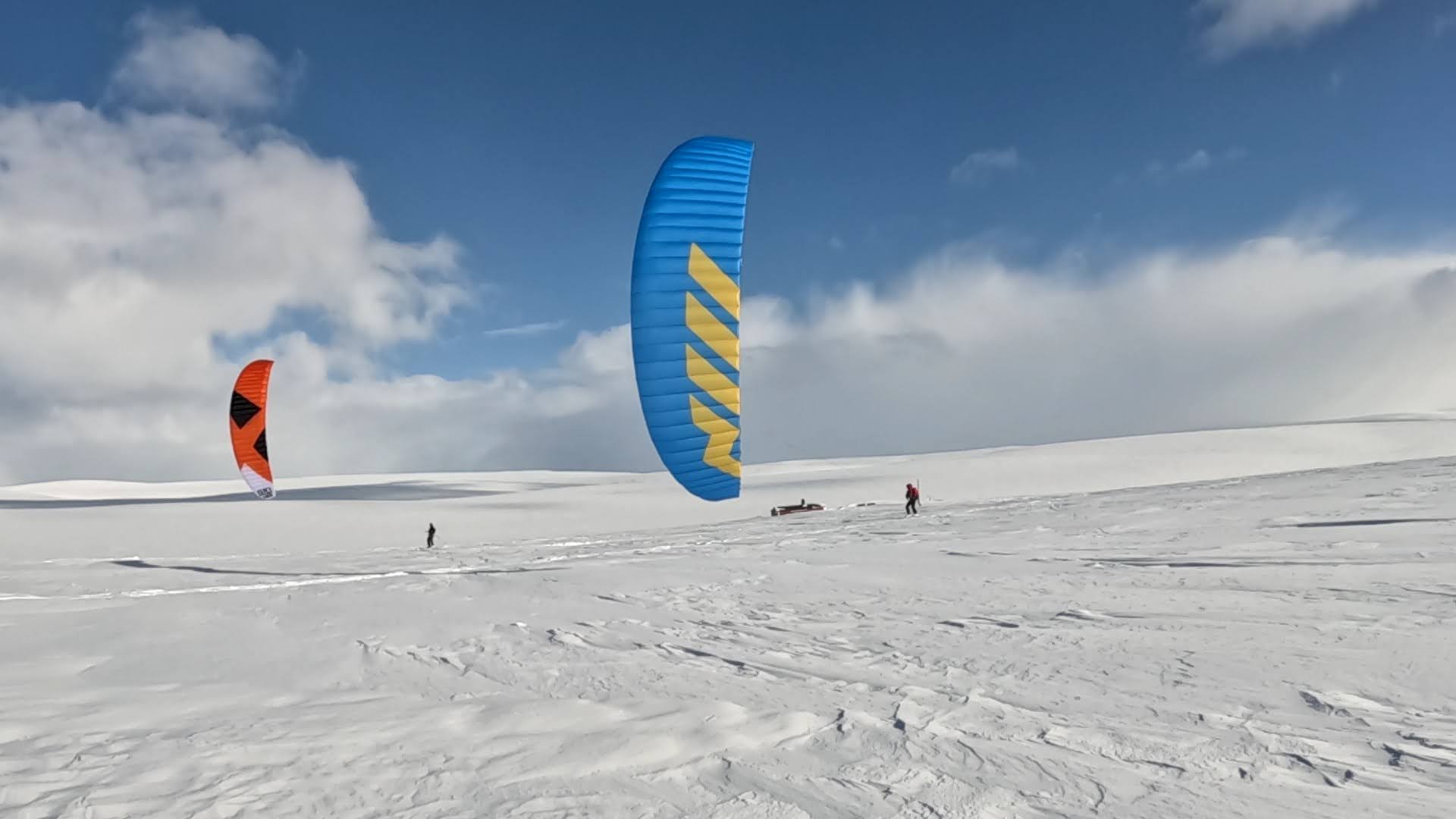
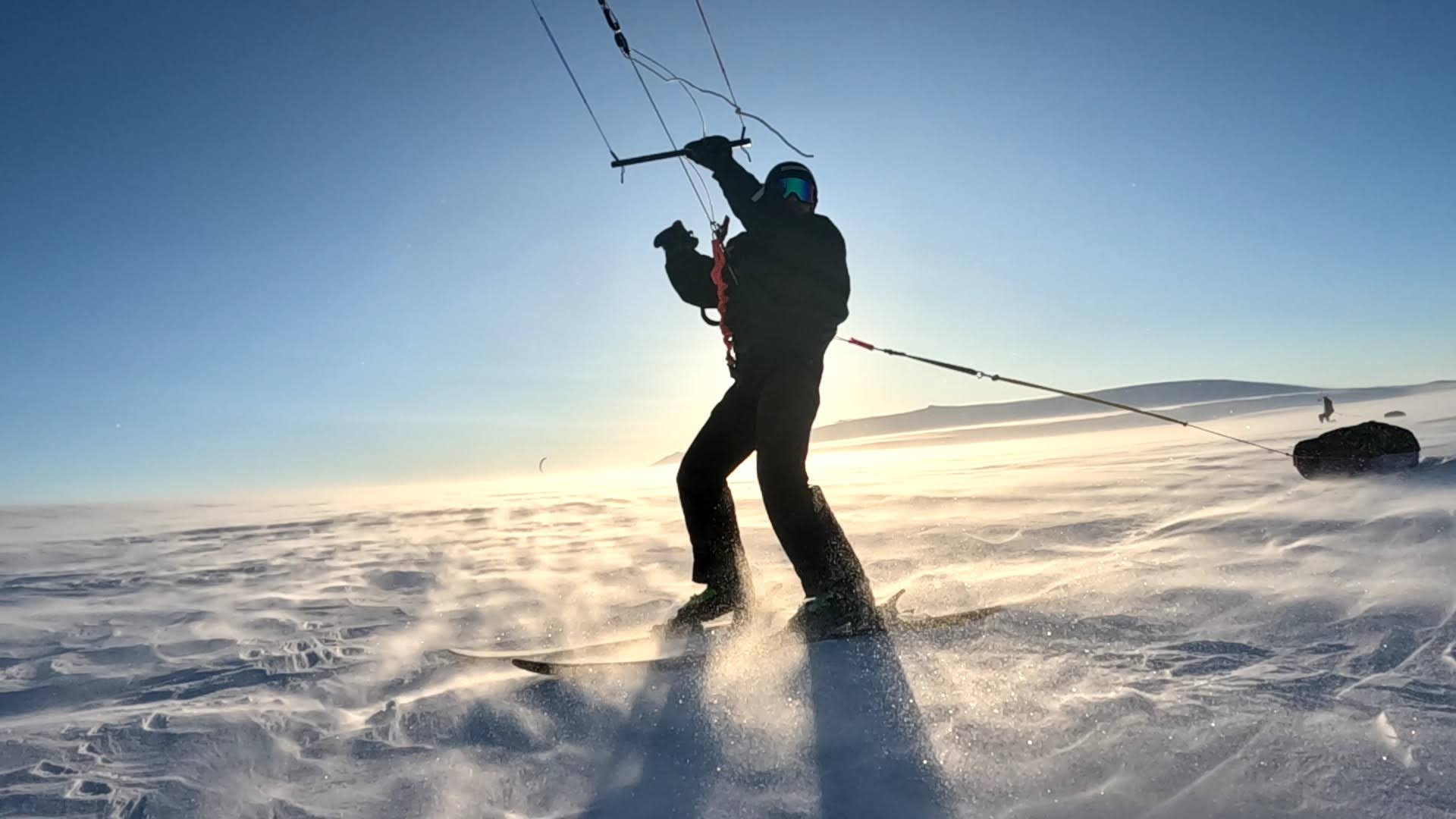
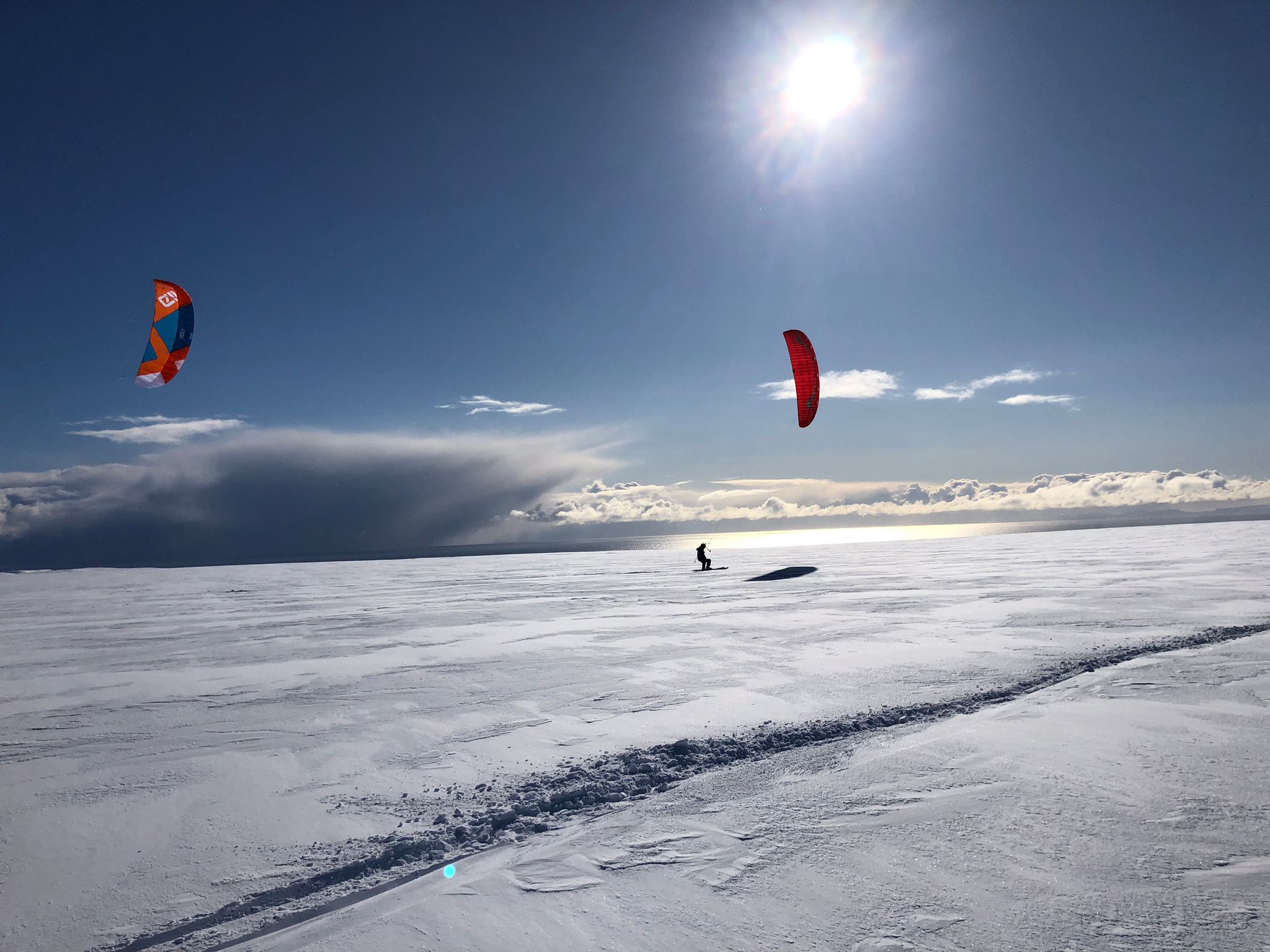
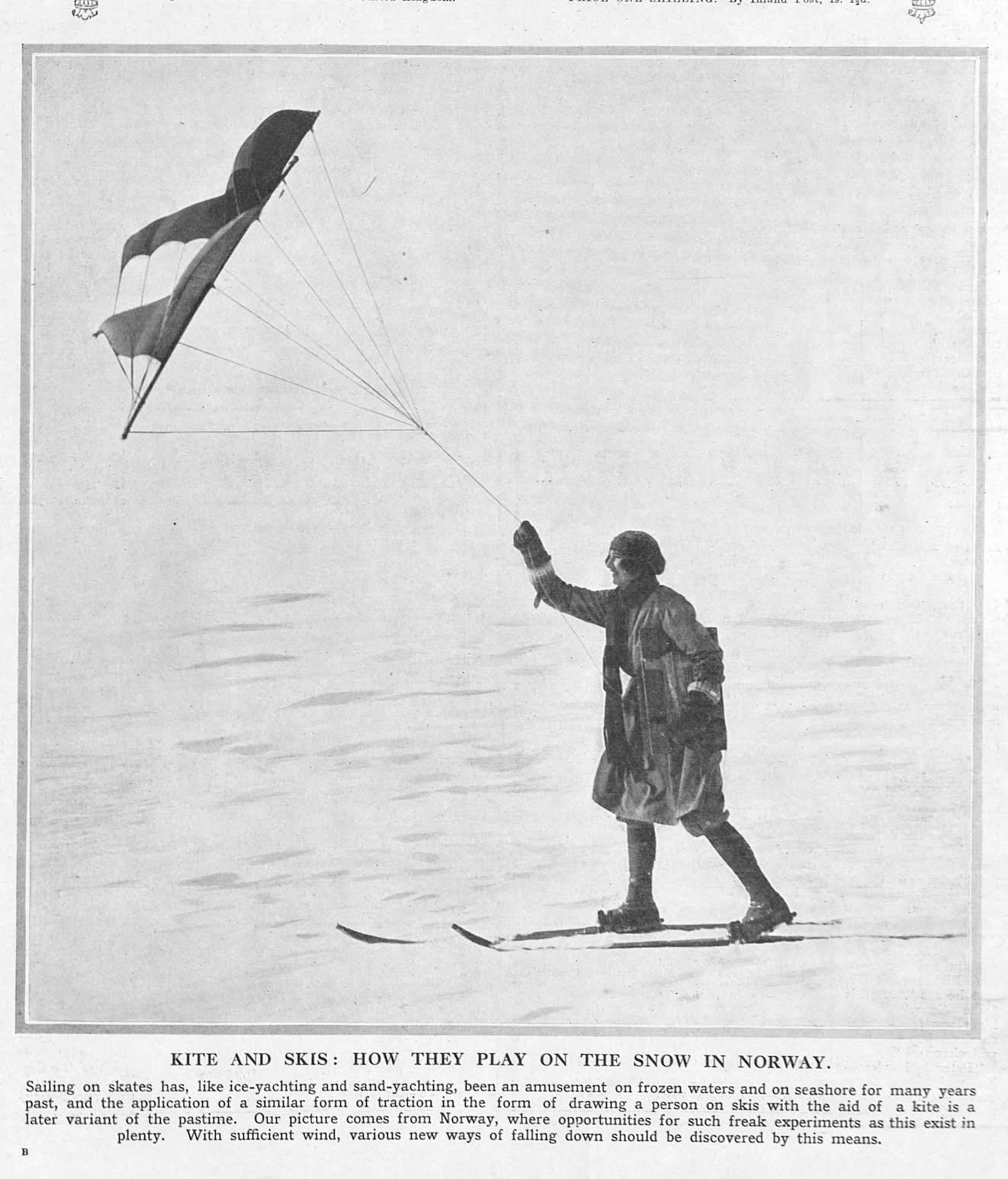
Snowkiting is based on the same principles of using wind power that have historically appeared in both northern Asia and northern Europe for movement across snow and ice. Its modern form began to develop mainly thanks to new materials and advances in aerodynamics in the 1990s, when more advanced kite technology made it possible to use kites safely and efficiently even in winter conditions. Snowkiting combines elements of skiing or snowboarding with the pull of a kite and makes it possible to move across flat terrain or even uphill, which makes it a unique and rapidly developing discipline, especially in mountain and northern regions.
In terms of its position among sports, snowkiting still remains a relatively niche but growing discipline. It is not part of the Olympic Games, but its related summer discipline, kitesurfing, formally known as kiteboarding, has already become an Olympic sport, which also increases interest in the winter version. Snowkiting benefits from the growing popularity of individual and adventure sports, where freedom of movement, contact with nature, and technical skill play an important role. Thanks to this, it is building a solid place among outdoor and extreme sports, and its importance is likely to grow with further technological development of equipment and the increasing popularity of wind sports in general.